 Pin it
 My first encounter with rupjmaize happened in a Riga kitchen on a grey November afternoon, when my host cut thick slices from a loaf she'd pulled from the oven that morning. The bread was so dark it looked almost black, with a crust that crackled under the knife, and when she spread salted butter across a warm slice, the smell of caraway and molasses filled the small room. That moment—standing there with steam rising from the bread, tasting something that felt rooted in centuries of Latvian kitchens—I knew I had to learn how to make it myself.
Years later, I made this bread during a particularly cold winter when my partner was sick. Slicing into that mahogany-colored loaf while the kitchen was still warm from the oven, then watching them tear into a piece with butter melting into every crack—that's when I realized rupjmaize isn't just bread, it's comfort in edible form.
Ingredients
- Dark rye flour (500 g): This is the backbone of the bread, giving it that deep color and earthy, complex flavor that sets rupjmaize apart from lighter rye loaves—don't substitute with regular rye or the character changes completely.
- Bread flour (100 g): A small amount adds enough gluten structure to help the heavy dough rise without making it taste wheaty.
- Active dry yeast (1 packet, 7 g): The long overnight rise means standard yeast works perfectly; just make sure it's fresh or the dough won't rise fully.
- Warm water (350 ml): Blood-warm is the sweet spot—too hot kills yeast, too cool and it won't activate, so use a thermometer if you have one.
- Molasses or dark honey (2 tbsp): This adds sweetness and depth, and helps the crust brown gorgeously; molasses gives a stronger, more traditional flavor.
- Salt (2 tsp): Essential for flavor and to slow fermentation just enough, allowing the overnight rise to develop complexity.
- Caraway seeds (2 tsp): Toast them lightly in a dry pan before mixing if you want their flavor to shine through—it makes all the difference.
- Vegetable oil (1 tbsp plus extra for greasing): Keeps the dough from sticking and adds a tender crumb.
- Rye flour for dusting: The final coat before baking creates that signature rustic appearance and texture.
Tired of Takeout? 🥡
Get 10 meals you can make faster than delivery arrives. Seriously.
One email. No spam. Unsubscribe anytime.
Instructions
- Bloom the yeast:
- Pour warm water into a bowl with molasses and yeast, stir gently, and let it sit for 10 minutes—you'll see it foam up and smell alive, which tells you the yeast is ready to work.
- Mix the dough:
- Add both flours, salt, and caraway seeds to the foamy mixture and stir with a wooden spoon until everything comes together into a shaggy, sticky mass. This is supposed to look a little rough and wet, especially with rye flour, so don't panic.
- Knead in the oil:
- Drizzle the vegetable oil over the dough and knead by hand or with a dough hook for 5-7 minutes until the dough becomes smooth and slightly elastic. Your hands will get sticky—that's normal, and a light coating of oil on your hands helps more than adding flour.
- First rise overnight:
- Shape the dough into a loose ball, oil a large bowl, nestle the dough inside, cover with plastic wrap or a damp towel, and leave it at room temperature for 12-16 hours. This long, slow rise is where the flavor develops, so don't rush it or try to speed it up with heat.
- Shape and second rise:
- Punch down the dough on a lightly floured surface, shape it into a round or oval, and place it on a parchment-lined sheet or a greased loaf pan. Cover and let it rise for 45-60 minutes until noticeably puffy but not quite doubled.
- Prepare for baking:
- While the dough rises, preheat the oven to 220°C (425°F). Dust the top of your loaf generously with rye flour and, if you like, score the top with a sharp knife for a rustic look.
- Bake to deep brown:
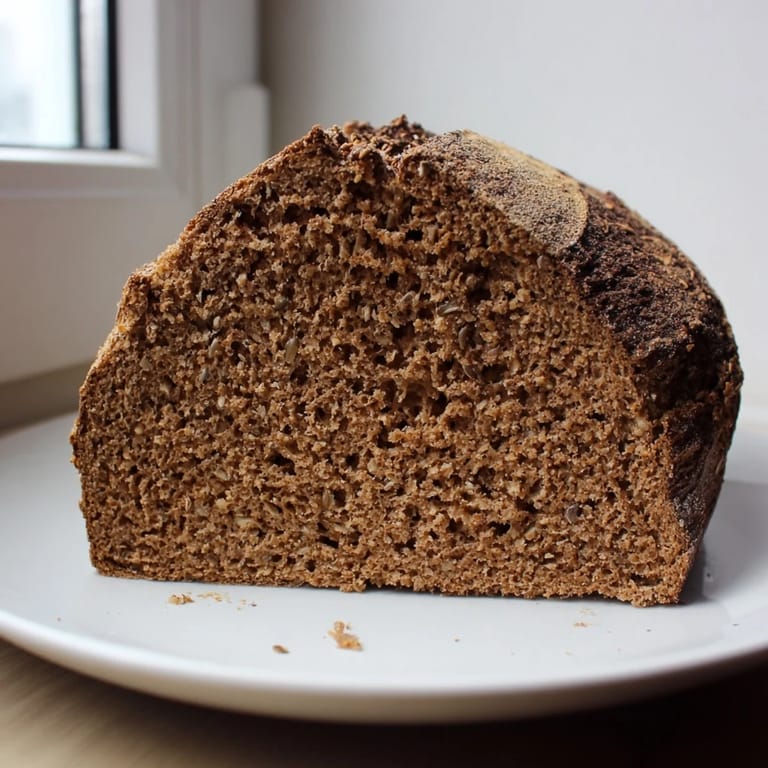
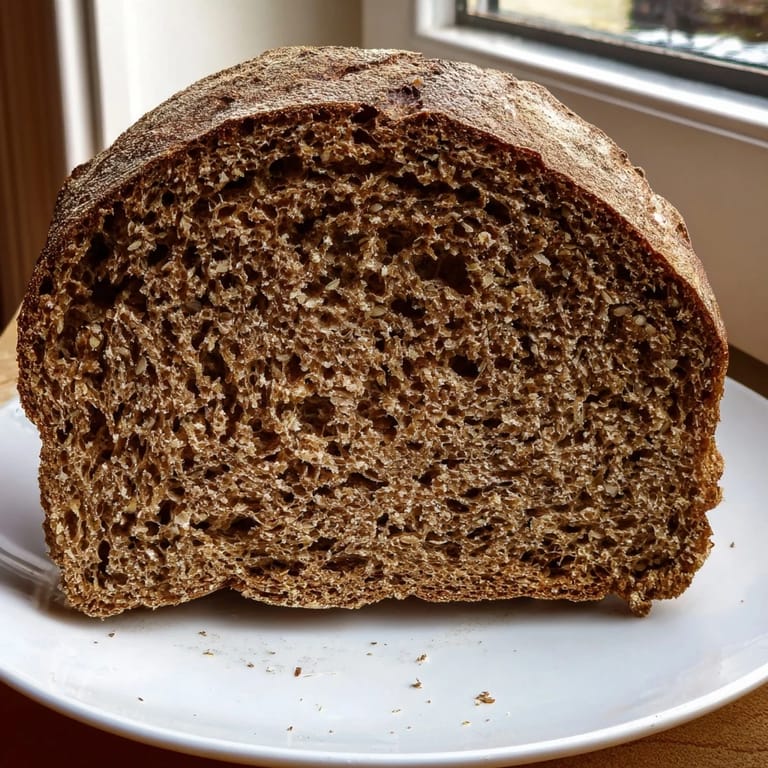
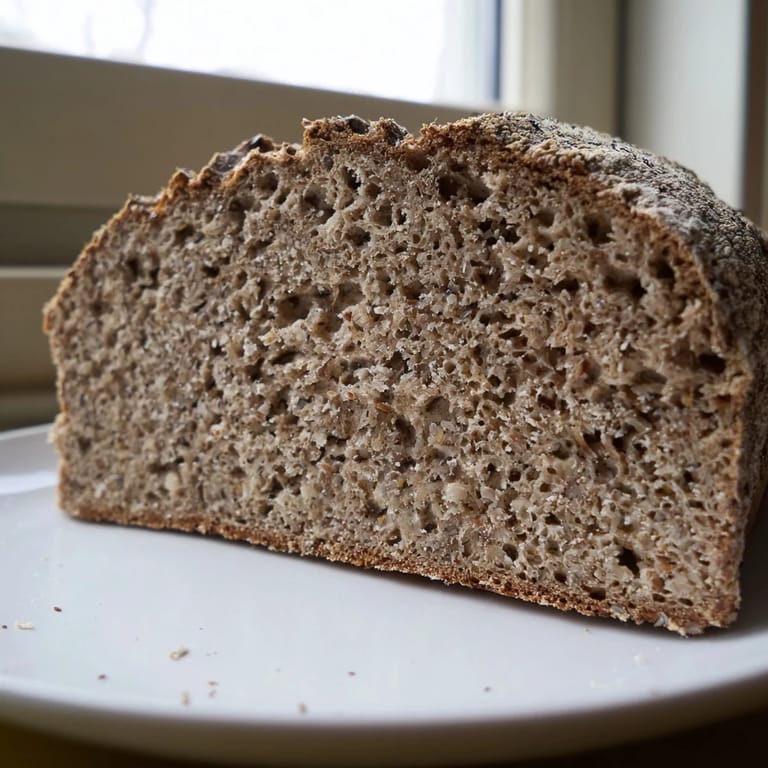
- Bake in the center of the oven for 45-50 minutes until the loaf is deeply browned—almost mahogany—and sounds hollow when you tap the bottom. The crust should be thick and crisp.
- Cool completely:
- Transfer the loaf to a wire rack and let it cool all the way through before slicing. This patience allows the crumb to set properly; cutting too soon makes it gummy.
 Pin it
 I've learned that this bread tastes better the second or third day—the flavor deepens, the crumb becomes more cohesive, and when you toast a thick slice, it's almost transcendent. Sharing a loaf with someone who's never had real rupjmaize before and watching their face when they taste it has become one of my favorite small rituals.
The Story of Caraway in Latvian Bread
Caraway seeds have been baked into Latvian bread for centuries, not just for flavor but because they were believed to aid digestion and ward off spoilage in a time before commercial preservation. These days we use them simply because the warm, slightly citrusy, faintly licorice notes they add are irreplaceable—toasting them first wakes up these flavors and makes them more pronounced throughout the loaf. The seeds also give you little flavor surprises as you chew, so every bite feels a touch more interesting than ordinary bread.
Building Flavor Through Time
Most breads are rushed, but rupjmaize respects slowness—the 12-16 hour overnight fermentation is where the real magic happens, developing a subtle tang and depth that quick breads can never achieve. During this long rise, wild yeasts and bacteria naturally present in your kitchen add complexity, and the rye flour's full character emerges. This is why the bread tastes so much better than store-bought versions, and why making it once will ruin you for supermarket alternatives.
Serving and Storing Your Rupjmaize
Serve warm slices with salted butter, or toast them the next day until the edges crisp and the inside steams—the flavor intensifies after cooling, and toasting brings it alive again. This bread is perfect alongside smoked fish, hard cheeses, creamy soups, or hearty stews, but honestly, it needs nothing more than good butter and maybe a pinch of fleur de sel.
- Slice the entire loaf before freezing in a bag; pull out slices as needed and toast directly from frozen.
- Store cut-side down on a bread board at room temperature for up to 3 days, and it will actually improve in flavor.
- If you see a thin whitish coating after a few days, that's flour bloom, not mold—just wipe it away and enjoy the bread.
 Pin it
 Making rupjmaize connects you to something real and rooted, something that tastes like history and care in every bite. Once you pull that dark, fragrant loaf from the oven, you'll understand why this bread has survived centuries in Latvian kitchens.
Common Questions
- → What gives Latvian Rupjmaize its distinctive flavor?
The combination of dark rye flour, molasses or honey, and caraway seeds imparts the characteristic deep, slightly sweet, and aromatic flavor.
- → Why is a long rising time necessary?
Extended fermentation allows the dough to develop a moist crumb and rich taste while achieving a good rise despite the dense rye flour.
- → How should the bread be baked for best results?
Baking at high temperature until deeply browned ensures a crisp crust and hollow tap sound, indicating proper doneness.
- → Can caraway seeds be prepared before adding?
Lightly toasting caraway seeds before mixing intensifies their nutty aroma and flavor in the loaf.
- → What are ideal serving suggestions?
This bread pairs well with salted butter, smoked fish, or hearty stews, enhancing its robust, earthy qualities.