 Pin it
 My grandmother's kitchen in Tallinn smelled permanently of rye and malt—that deep, almost molasses-like warmth that settled into the curtains. She kept her sourdough starter in a ceramic crock on the counter, feeding it religiously, and I'd watch her fold caraway seeds into dough so dark it looked almost black. Years later, when I tried recreating her leib, I realized it wasn't just about following steps; it was about understanding why each ingredient belonged, and how patience transformed simple flour and water into something that tasted like home.
I made this bread for the first time during a winter when my sourdough starter had nearly died from neglect. Feeding it back to life felt oddly redemptive, and when that first loaf came out of the oven, dark and crackling, I called a friend over just to have someone witness it. We sat at the kitchen table tearing pieces off the warm loaf, watching steam rise, and she said, "This tastes like something people have been making for centuries." That's when I understood the real magic of traditional recipes—they carry memory in their flavors.
Ingredients
- Active rye sourdough starter (100 g): This is your leavening agent and flavor foundation; make sure it's bubbly and doubling in size within 4–6 hours of feeding, otherwise it won't have enough strength to rise the dough properly.
- Dark rye flour (400 g): The heart of this bread, giving it that distinctive earthy flavor and dense crumb structure that Estonian leib is known for.
- Bread flour, wheat (100 g): Adds gluten strength and helps the dough hold its shape, preventing it from spreading too flat in the pan.
- Lukewarm water (300 ml): Room temperature water activates your starter gently and gives you better control over fermentation speed.
- Dark rye malt or barley malt powder (50 g): This is where the sweet, caramel-like depth comes from; it's not negotiable if you want authentic flavor, though you can find it online if your local stores don't carry it.
- Molasses or dark honey (2 tbsp): Adds subtle sweetness and helps develop color during baking, creating that gorgeous dark crust.
- Caraway seeds (1 tbsp, plus 1 tsp for topping): These little seeds are polarizing—some people find them essential and aromatic, others skip them entirely; taste a few first and decide what calls to you.
- Fine sea salt (2 tsp): Brings out all the other flavors and controls fermentation speed by slowing down the wild yeast slightly.
Tired of Takeout? 🥡
Get 10 meals you can make faster than delivery arrives. Seriously.
One email. No spam. Unsubscribe anytime.
Instructions
- Wake up your starter and build the base:
- In a large bowl, stir together your rye starter, lukewarm water, and molasses until the molasses dissolves into dark ribbons. You want everything loosely combined before you add the flour, so the starter has room to mingle with the liquid.
- Bring the dough together:
- Add the rye flour, bread flour, malt powder, caraway seeds, and salt all at once, then mix with a wooden spoon until a thick, shaggy dough forms. Don't worry about it looking smooth or refined—rye dough is sticky and rough by nature, and that's exactly what you want.
- First rise (the long, slow one):
- Cover the bowl with a damp cloth or plastic wrap and let it sit at room temperature for 10–12 hours, or overnight. You're looking for visible bubbles throughout the dough and a noticeably expanded volume, which tells you the fermentation is working.
- Shape and second proof:
- Line a loaf pan with parchment paper or give it a light grease, then scrape the dough inside using a wet spatula to prevent sticking. Smooth the top gently, sprinkle extra caraway seeds if you like, cover loosely, and let it rise for another 2–4 hours until it reaches near the rim of the pan.
- Prepare for oven magic:
- Preheat your oven to 220°C (430°F) and place a shallow pan filled with hot water on the bottom rack. Steam is what creates that beautiful crackling crust on rye bread, so don't skip this step.
- Bake with two-temperature technique:
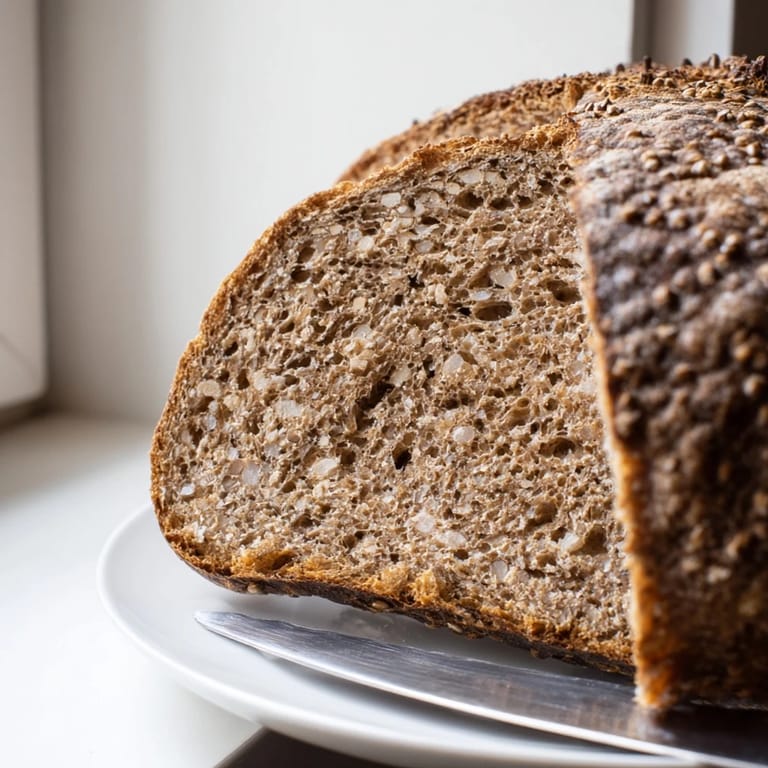
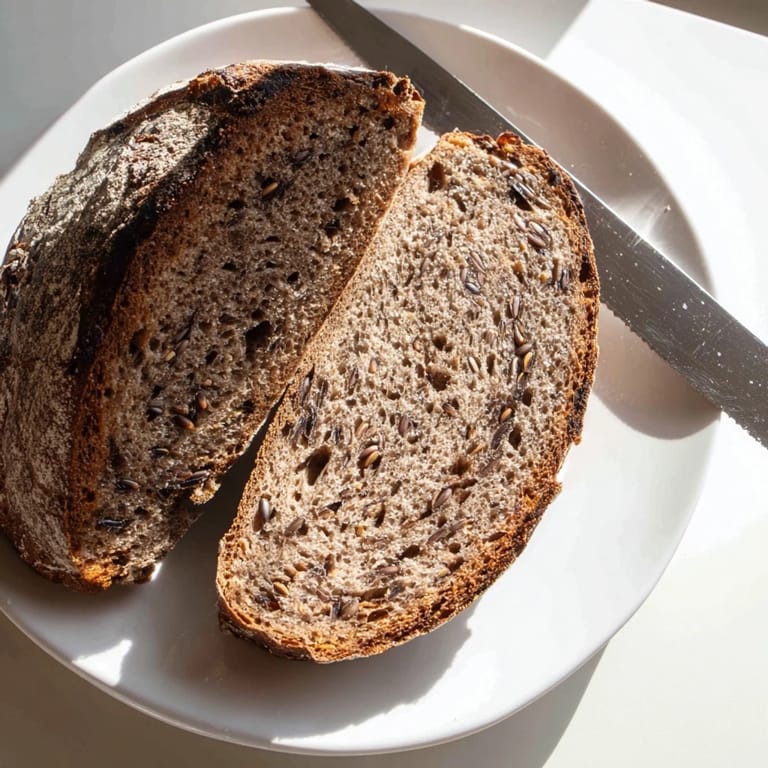
- Bake at 220°C for the first 15 minutes to set the crust and drive up the oven spring, then reduce to 190°C (375°F) and continue for another 30 minutes. The loaf is done when the crust is very dark and sounds hollow when you tap the bottom—don't be shy about the dark color; that's flavor developing.
- Cool completely before slicing:
- Transfer to a wire rack and let it rest for at least an hour, though overnight cooling gives you cleaner slices and fully set crumb structure.
 Pin it
 The moment that cemented this recipe for me was when a coworker from Estonia tasted a slice and got quiet. Not critical quiet—the kind where you can tell someone's memory has been unlocked by a flavor. She said it reminded her of her mother's kitchen, of Sunday mornings, of something she'd been missing without quite knowing it. That's when I realized that bread like this isn't just carbohydrates and starter; it's a bridge across time and distance.
The Magic of Malt and Seeds
Rye malt is the ingredient that confused me most at first—I thought it was unnecessary, that molasses alone would give enough color and sweetness. Then I learned that malt adds something molasses can't: an enzymatic complexity that deepens as the bread bakes, turning into subtle notes of caramel and earth. Caraway seeds, meanwhile, divide people sharply, but they're historically essential to Estonian bread culture. Toasting them lightly before adding—though not required—brings out their peppery aromatic oils and mellows their intensity slightly.
Fermentation: The Patient Art
The long fermentation time isn't laziness; it's where this bread's flavor is built. The rye starter slowly awakens overnight, the malt sugars break down gradually, and the caraway seeds release their oils into the dough. Your kitchen will smell different as this happens—less yeasty, more grain-forward and complex. Rushing this step by increasing temperature or using more starter won't help; if anything, it mutes the depth you're working toward.
Serving and Storage
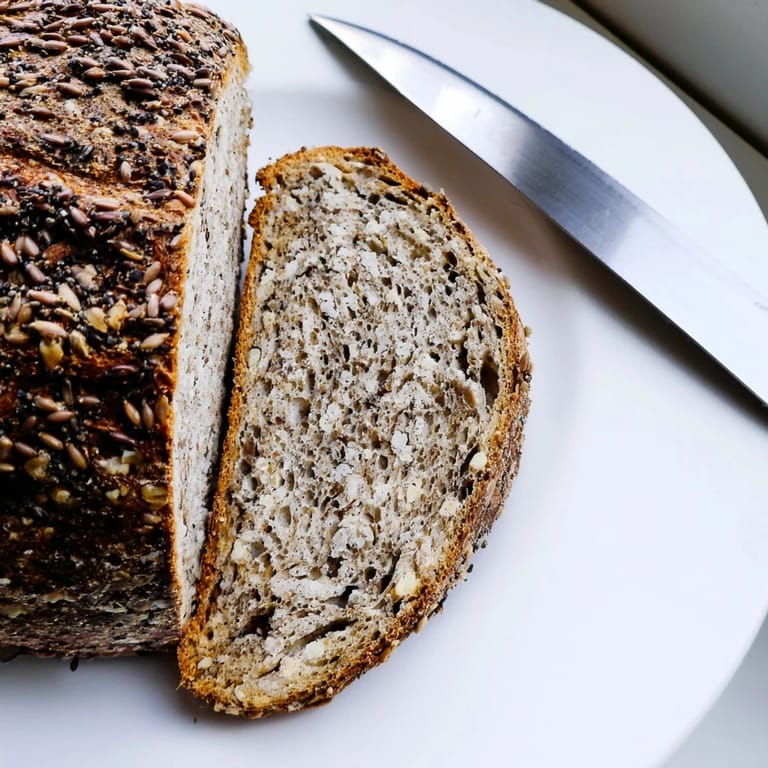
This bread demands simple companions—salted butter melting into warm slices, smoked fish, aged cheese, or even just a glass of milk. It keeps for up to a week wrapped in a towel or cloth, and actually develops even better flavor by day two or three as the crumb sets and the flavors marry. Don't refrigerate it unless you must; the cold will dry it out faster than room temperature storage.
- Slice it thin for serving with cheese and spreads, or thick and warm for eating plain with butter.
- If it dries out, wrap it in a damp cloth for a few hours to soften, or toast slices and use them for bread salads.
- This bread freezes beautifully for up to three months—wrap it whole or slice it first, so you can thaw exactly what you need.
 Pin it
 Every time I pull this loaf from the oven, I'm grateful for the bakers who kept this tradition alive through generations, and for the long hours of fermentation that turn humble ingredients into something unforgettable. Making Estonian leib isn't quick, but it rewards patience with flavor that store-bought bread can never match.
Common Questions
- → What flour types are used in this bread?
The bread uses a combination of dark rye flour and bread flour (wheat) to balance flavor and texture.
- → How long does the dough need to rise?
The dough undergoes a long fermentation: first 10–12 hours for the initial rise, then 2–4 hours after shaping.
- → What role do caraway seeds play in this loaf?
Caraway seeds add a distinctive aromatic note that complements the earthy rye and malt flavors.
- → Why is steam used during baking?
Steam helps develop a dark, crisp crust while keeping the interior moist and tender.
- → Can the molasses be adjusted for sweetness?
Yes, increasing molasses to 3 tablespoons creates a sweeter and richer loaf.
- → How should the loaf be stored?
Wrap the bread in a towel and store at room temperature; it keeps well for up to a week.