 Pin it
 I first assembled a yin-yang board at a dinner party when my friend casually mentioned she loved the idea of balance on a plate, and I thought, why not make it literal? We were standing in my kitchen at dusk, and the light was hitting the marble countertop just right when I started placing those blackberries in that perfect curve. It felt less like arranging food and more like painting with ingredients, and honestly, that moment of quiet focus before guests arrived was exactly what I needed.
The best part came when my nephew, who's usually glued to his phone, actually paused mid-scroll to ask why the cheeses were on different sides. His mom had to laugh because he'd never paid attention to cheese before, but something about the visual story made him curious. He ended up trying things he'd normally skip, and that's when I realized this board isn't just pretty—it teaches your eye about balance before your palate even catches on.
Ingredients
- Fresh blackberries (150 g): They're your dividing line, and their tartness becomes a palate cleanser between the two flavor worlds—buy them the morning of for the best firmness.
- Goat cheese (100 g): This creamy, tangy element anchors the light side; let it soften slightly at room temperature so it's spreadable.
- Young Manchego or white cheddar (100 g): The mild, slightly sweet partner that bridges delicate and bold.
- Pear (1 small): Slice just before serving to prevent browning, and choose one that's ripe but still holds its shape.
- White grapes (50 g): They add a pop of natural sweetness and juiciness that contrasts beautifully with creamy cheeses.
- Raw almonds (30 g): Keep them whole or rough-chop for textural interest without overwhelming the lighter flavors.
- Rice crackers or light-colored crackers (30 g): Choose ones with minimal seasoning so they don't compete with the cheeses.
- Aged blue cheese (100 g): This is your bold statement—its pungency defines the dark side, so slice it thick enough to experience its complexity.
- Aged Gouda or sharp cheddar (100 g): Nutty and rich, these complement the blue's intensity without overshadowing it.
- Black plum (1 small): Slice thin and arrange just before serving; the slight tartness echoes the blackberry divide.
- Red or black grapes (50 g): Their natural sugars balance the savory, funky notes of aged cheeses.
- Roasted hazelnuts (30 g): The roasting brings out their warmth and adds earthiness that pairs perfectly with blue cheese.
- Dark rye crisps or seeded crackers (30 g): Their nuttiness and texture stand up to bold flavors without disappearing.
- Fresh mint leaves: A whisper of brightness scattered across both sides—they refresh the palate between bites.
- Edible flowers (optional): Choose flavors that matter, like pansies or nasturtiums, not just for looks.
Tired of Takeout? 🥡
Get 10 meals you can make faster than delivery arrives. Seriously.
One email. No spam. Unsubscribe anytime.
Instructions
- Set your stage:
- Place your large round board on a clean surface where you can work comfortably. A marble or wooden board feels right here—it becomes part of the visual story.
- Draw the line:
- Arrange those blackberries in a slow, deliberate curve across the center, like you're splitting one world from another. Step back and adjust until the curve feels balanced and graceful.
- Dress the light side:
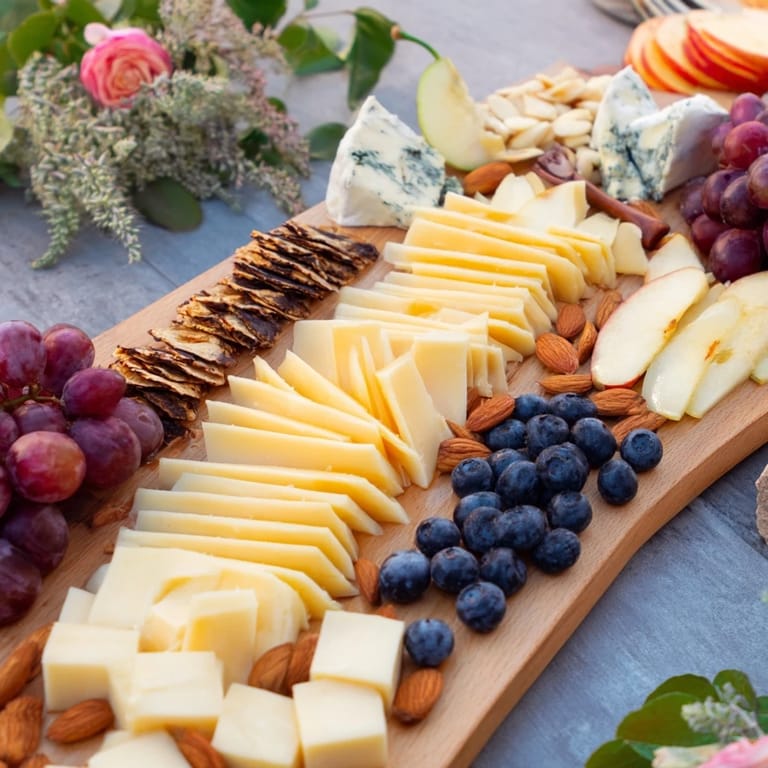
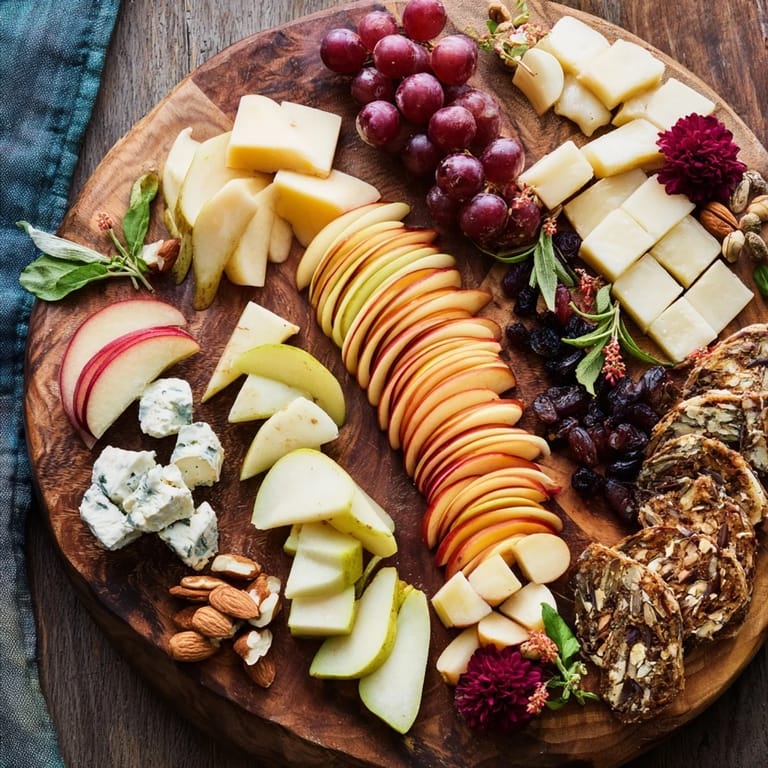
- On one half, place the goat cheese, Manchego, pear slices, white grapes, almonds, and rice crackers in clusters. Let them breathe—overcrowding feels chaotic, but spacing feels intentional.
- Dress the dark side:
- Mirror the arrangement with the blue cheese, aged Gouda, plum slices, dark grapes, hazelnuts, and rye crisps. The symmetry doesn't have to be perfect, just recognizable.
- Finish with intention:
- Scatter mint leaves and edible flowers across both sides, tucking them into gaps like you're adding the final brushstrokes. This is where the board stops being just food and becomes art.
- Serve with presence:
- Bring it to the table and pause for a moment—let people see it before they devour it. That moment of appreciation matters.
 Pin it
 I watched someone sit quietly in front of this board for a full minute before choosing what to try, and I realized that's the real magic—it gives people permission to be thoughtful about what they eat. In a world of endless options, this little act of balance felt almost meditative.
The Philosophy Behind the Design
The yin-yang shape isn't just decorative; it's a gentle reminder that different doesn't mean disconnected. Light and dark cheeses aren't opposites that clash—they're partners that make each other taste better. When you taste something mild, then venture across the blackberry divide to something sharp and funky, your palate resets and appreciates both more deeply. It's the same reason chefs plate vegetables next to proteins; contrast teaches your mouth to pay attention.
Seasonal Shifts and Flavor Play
Spring calls for fresher, creamier cheeses and bright stone fruits, while autumn invites sharper aged varieties and darker, denser accompaniments. I've learned that the best boards respect what's actually in season rather than forcing ingredients that are traveling thousands of miles. One winter, I swapped the plum for fresh figs and added honeycomb to the light side, and that small change shifted the entire mood of the board from fresh to luxurious.
Making This Board Your Own
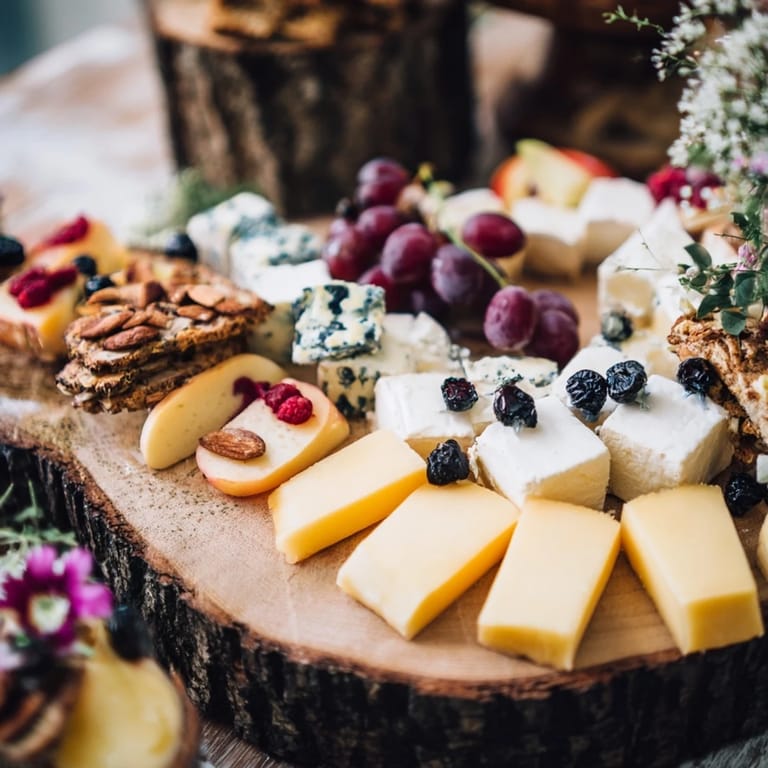
The beauty of this design is that it's a framework, not a rule. What matters is maintaining that visual conversation between two sides—contrast creates the story. You can honor the concept with any cheeses and fruits your market offers or your taste buds crave. The curve of blackberries is your anchor, and everything else can bend to what excites you.
- Try adding a small bowl of fig jam or quince paste on the dark side, and honeycomb or raw honey on the light side for depth without chaos.
- Swap nuts based on what you have—walnuts, pecans, or pistachios work beautifully as long as you roast them first for toasted intensity.
- Remember that color contrast matters as much as flavor contrast, so white grapes on the light side and deep purple or red on the dark side keep the visual language clear.
 Pin it
 This board has become my go-to when I want to feed people without spending hours in the kitchen but still feel thoughtful about it. It's the kind of appetizer that reminds everyone gathered that sometimes the simplest gestures—choosing balance, creating beauty, inviting others to taste something different—mean more than we realize.
Common Questions
- → What cheeses suit the light side best?
Soft cheeses like goat cheese and young Manchego or white cheddar offer a mild, creamy contrast fitting the light section.
- → Can I substitute the fruits used here?
Absolutely. Seasonal fruits like apples, figs, or berries work well to complement both light and dark cheeses.
- → Why pair nuts with the cheeses and fruits?
Nuts add texture and a rich, earthy note that enhances the balance between creamy and crisp elements on the board.
- → What types of crackers are recommended?
Choose light-colored rice crackers for the mild side and darker rye or seeded crackers for the stronger, aged cheese side to match flavors and colors.
- → How should the board be arranged for best presentation?
Arrange blackberries in a curved line down the center, placing light ingredients on one side and dark ingredients on the other to create visual and taste contrast.
- → Can this board accommodate dietary restrictions?
Yes. Using gluten-free crackers makes it suitable for gluten-sensitive guests, and all ingredients are vegetarian-friendly.