 Pin it
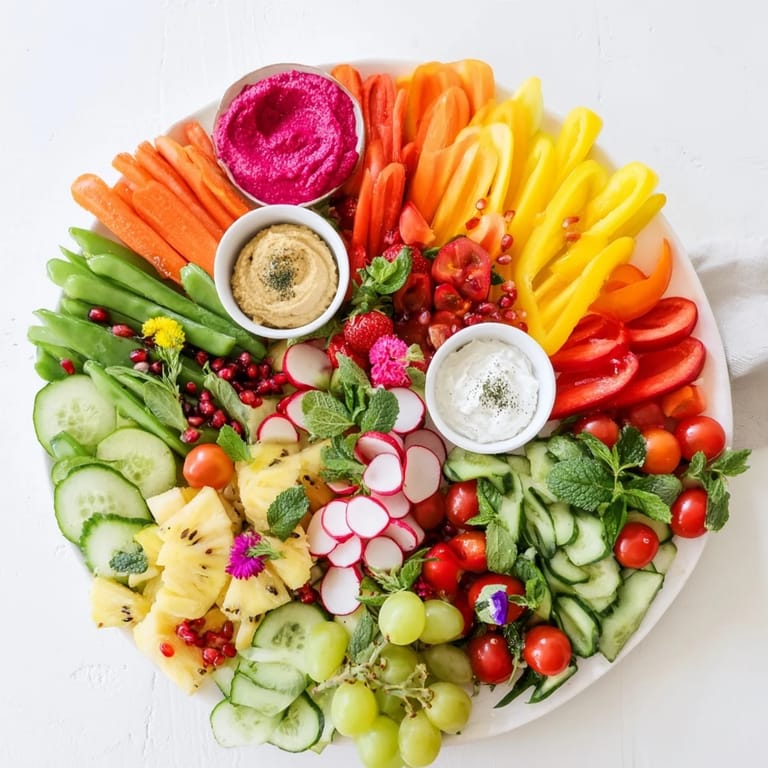
 I'll never forget the first time I assembled a platter like this for a potluck at my friend's garden party. I was nervous about bringing something "simple," but as guests arrived, they gravitated toward this vibrant board before anything else. The way the colors caught the afternoon light, with ruby red tomatoes next to golden pineapple and deep purple grapes, felt like I'd brought a piece of summer itself to the table. That's when I realized the most memorable dishes aren't always complicated—sometimes they're just honest, colorful, and made with care.
I served this at my sister's bridal shower last spring, and watching people linger at the platter, chatting and snacking, told me everything. One guest came back three times just for the cashew tzatziki and snap peas combination. It became the dish people asked about for weeks after, which felt like the highest compliment.
Ingredients
- Rainbow carrots (1 cup, sliced): Their natural sweetness and jewel tones make them irresistible. Cut them on a slight bias for more elegant, catchier pieces.
- Baby cucumbers (1 cup, sliced or quartered): Their delicate, thin skins mean you can skip peeling. They stay crisp longest if you keep them cool until the last moment.
- Cherry tomatoes, assorted colors (1 cup): The mix of red, yellow, and orange creates visual magic. Buy them a day or two before assembly so they're at peak ripeness.
- Radishes, thinly sliced (1 cup): These add a peppery snap and brilliant pink-red color. A mandoline slicer makes this effortless.
- Baby bell peppers, sliced (1 cup): They're naturally sweet and their shape makes them perfect for scooping dips. Choose a variety of colors for maximum impact.
- Snap peas (1 cup): Leave them whole—they're already the perfect size for crunching and dipping.
- Seedless grapes, mixed colors (1 cup): The sweetness balances the savory dips beautifully. Chill them before serving for extra refreshment.
- Strawberries, halved (1 cup): Their tartness pairs unexpectedly well with savory dips. Choose firm berries that won't weep.
- Pineapple chunks (1 cup): Fresh pineapple brings brightness and a tropical note. If using canned, drain thoroughly and pat dry.
- Kiwi, peeled and sliced (1 cup): The vivid green is a visual showstopper. Slice just before assembly so it doesn't brown.
- Classic hummus (1 cup): The reliable favorite that everyone reaches for. Make or buy—both work beautifully.
- Beetroot hummus (1 cup): This magenta dip is stunning and adds an earthy sweetness that pairs perfectly with fresh vegetables.
- Guacamole (1 cup): Rich, creamy, and essential. Make it just before serving and cover with plastic wrap directly on the surface to prevent browning.
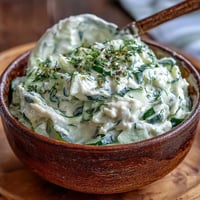
- Cashew tzatziki (1 cup): Soaked cashews blended with dill and lemon create a dip that rivals any dairy version. It's the secret weapon of this platter.
- Pomegranate seeds (1/4 cup): These jewel-like arils fill gaps, add bursts of tart sweetness, and catch the light like edible garnish.
- Fresh herbs—mint, basil, parsley (1/4 cup): Scatter these throughout for color and freshness. They add a finishing touch that elevates everything.
- Edible flowers (optional): Pansies, nasturtiums, or borage flowers transform this from appetizer to art installation.
- Gluten-free crackers or pita chips (1 cup): Choose sturdy varieties that won't shatter when loaded with dip. Arrange them around the edges for easy reaching.
Tired of Takeout? 🥡
Get 10 meals you can make faster than delivery arrives. Seriously.
One email. No spam. Unsubscribe anytime.
Instructions
- Start with a clean canvas:
- Wash and thoroughly dry every vegetable and fruit. This matters more than you'd think—water clinging to produce makes it wilt faster and dilutes the dips. Pat everything completely dry with clean kitchen towels or salad spinners, then chill your vegetables for at least 15 minutes if you have the time. They'll be crisper and stay fresher longer.
- Choose your stage:
- Select your platter or board—go big. You want at least 18 inches across to create those gorgeous color-blocked sections without everything looking cramped. A wooden board, ceramic platter, or even a clean slate tile works beautifully. If you're serving outdoors, remember that darker boards show colors more dramatically than white ones.
- Position your dips strategically:
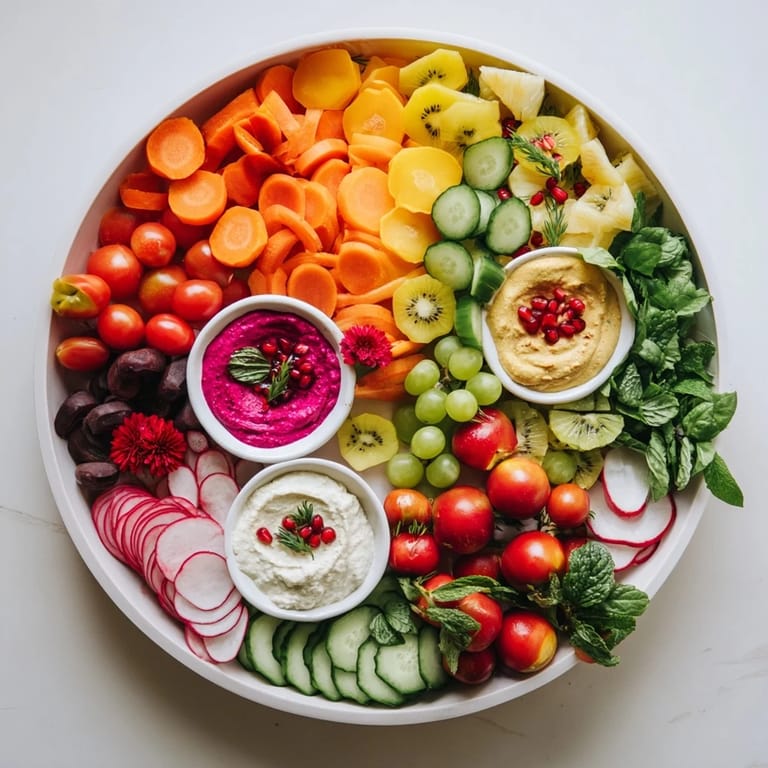
- Place small bowls at different points around your platter—imagine a clock with dips at 12, 3, 6, and 9 o'clock. This creates natural gathering points and prevents guests from crowding one corner. If your dips are similar colors, arrange them so they're not adjacent to each other.
- Build in color blocks:
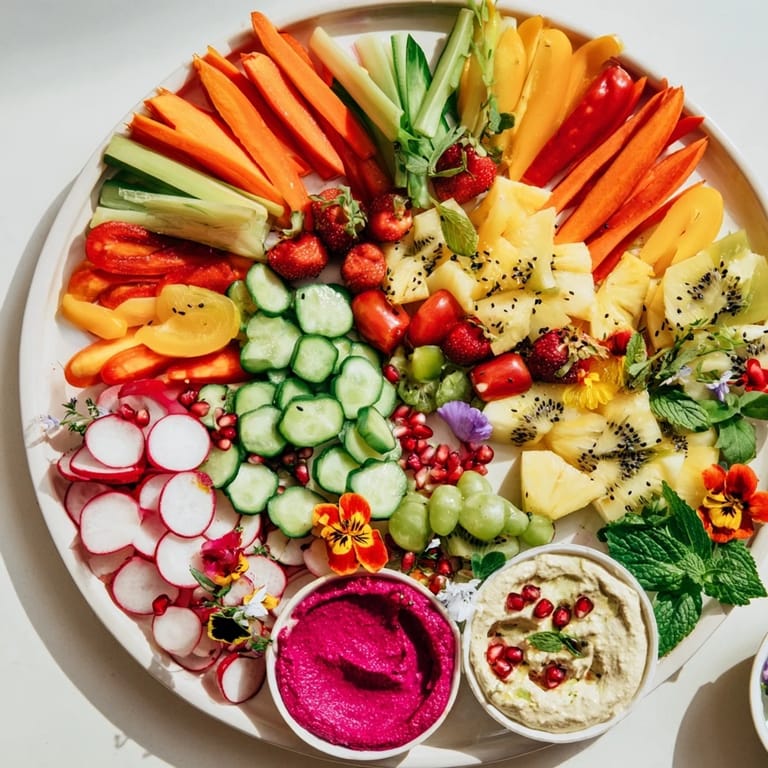
- Here's where your eye matters more than precision. Group each type of vegetable and fruit into clusters, keeping similar colors together, then alternate with contrasting ones. Picture it: a cluster of rainbow carrots next to cherry tomatoes, then pale cucumber slices, then radishes. This organized chaos is intentional and what makes the platter feel abundant rather than chaotic.
- Fill the spaces with intention:
- Now comes the fun part—those gaps between vegetables get filled with crackers, pomegranate seeds, and fresh herbs. Scatter herbs casually across the platter like confetti. The pomegranate seeds catch light and fill negative space beautifully. If using edible flowers, tuck them in where they'll be noticed without looking forced.
- Time it right:
- Assemble this no more than 4 hours before serving. If you're serving it later, cover it loosely with plastic wrap and refrigerate. About 30 minutes before guests arrive, remove it from the fridge so vegetables come to room temperature and flavors brighten. The contrast between cool and fresh is part of what makes this special.
 Pin it
 What surprised me most about making these platters regularly is how they became more than food. Friends sat around them longer, conversations deepened, and I realized I was creating an experience, not just an appetizer. The act of reaching, choosing, dipping, savoring—it brought people together in a way a plated dish never quite could.
The Art of Color Blocking
The magic of this platter lives in how you arrange color. Think of it like painting with produce. Rather than alphabetizing vegetables, ask yourself what color combination stops the eye and makes people smile. Red next to deep purple grapes? Luminous kiwi green against orange carrots? These contrasts are what make someone reach for their phone to photograph before taking a bite. You're not just feeding people; you're creating a moment.
Dips as the Unsung Heroes
The vegetables and fruits are the canvas, but the dips are the revelation. Each one brings something different—hummus is creamy comfort, beetroot hummus is earthy elegance, guacamole is rich indulgence, and cashew tzatziki is the secret weapon nobody expects in a vegan platter. When someone tries a radish with cashew tzatziki or kiwi with guacamole, that unexpected flavor pairing becomes a memory. The dips transform simple produce into something crave-worthy.
Making It Your Own
This platter is a template, not a rule. Swap in whatever is fresh and beautiful in your market. In spring, add fresh asparagus tips and artichoke hearts. In summer, throw in corn and stone fruits. In fall, roasted chickpeas and pomegranate seeds shine. The framework stays the same, but your local seasons and preferences shape what appears on the board.
- Roasted chickpeas add crunch and protein when scattered throughout.
- Marinated olives, capers, or pickled vegetables bring tangy sophistication.
- Raw nuts like almonds and pistachios add richness and visual texture.
 Pin it
 This platter has become my go-to for nearly every gathering because it works. It's beautiful, inclusive, requires zero cooking, and somehow makes people feel cared for in the simplest way possible.
Common Questions
- → How can I keep the vegetables fresh on the platter?
Wash and dry all vegetables thoroughly before slicing, and arrange them just before serving. Keep the platter refrigerated if not serving immediately.
- → Can I substitute any ingredients for seasonal options?
Yes, seasonal vegetables and fruits can be swapped in to keep the platter vibrant and fresh, such as roasted chickpeas or marinated olives as additional options.
- → What dips pair well with the fresh produce on this platter?
Plant-based dips like classic hummus, beetroot hummus, guacamole, and cashew tzatziki complement the fresh vegetables and fruits perfectly.
- → Are there any allergy considerations to keep in mind?
This platter contains nuts in cashew tzatziki and sesame in hummus; substitutions are recommended for those with allergies. Always verify ingredients of crackers or chips used.
- → What serving suggestions enhance the platter experience?
Adding a drizzle of olive oil and a sprinkle of sea salt to vegetables brings out their flavors. Pair with crisp white wine or sparkling citrus water for a refreshing touch.