 Pin it
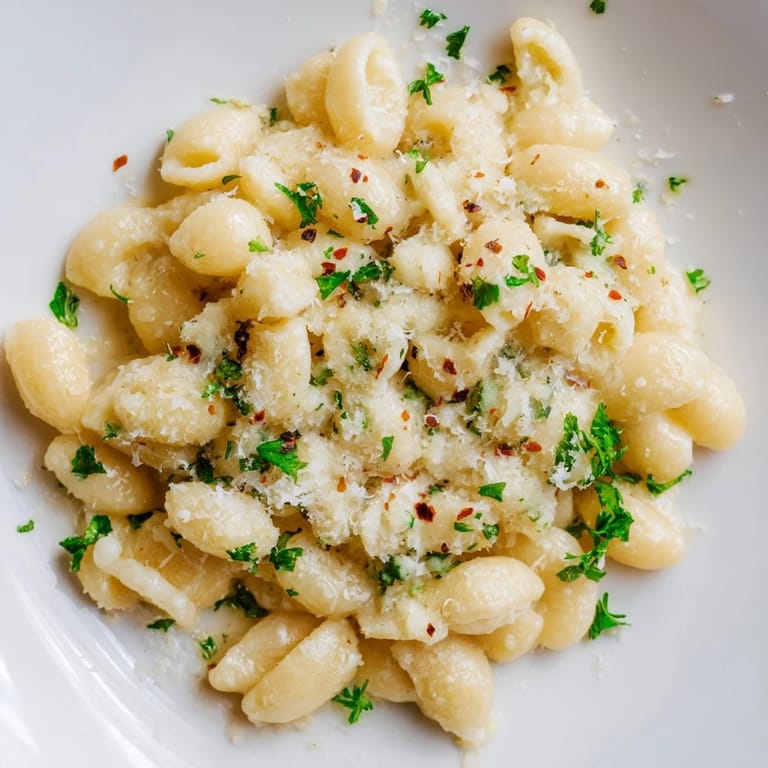
 There's something almost meditative about the way garlic transforms when it hits hot oil—that first moment of sizzle, the golden edge of each slice, the smell that fills your kitchen like an invisible embrace. I discovered this creamy garlic ditalini on a Tuesday evening when I had nothing but a craving for something warm and the bare minimum in my pantry, and somehow it became the dish I reach for when I need comfort without the heaviness. The secret isn't fancy ingredients but rather treating each element with intention: the garlic blooms properly, the roux gets its moment, and the cream comes together into something unexpectedly silky.
My neighbor once stopped by unannounced just as the sauce was coming together, and I invited her to stay for dinner without thinking twice—that's how confident I'd become in this dish. She ate three helpings and asked for the recipe, but what struck me was how she kept saying it tasted like someone cared about making it, which I think is what happens when you treat simple ingredients respectfully. That moment changed how I think about cooking: it's rarely about complexity.
Ingredients
- Ditalini pasta (300 g): These small tubes of pasta are perfect for trapping the creamy sauce in every bite, but honestly any small pasta shape works—the shape just means the sauce clings better.
- Olive oil (1 tablespoon): Use good oil you'd actually taste, because you will taste it when the garlic blooms into it.
- Garlic (4 cloves, finely minced): The foundation of everything here—mincing it fine means it releases faster and distributes evenly, which is why the flavor is so present and smooth rather than chunky.
- All-purpose flour (2 tablespoons): This creates the roux that thickens the sauce without needing cream alone to do the heavy lifting, which keeps things lighter.
- Half-and-half (480 ml): The magic ingredient that gives you richness without the density of heavy cream; it's the difference between decadent and suffocating.
- Vegetable broth (60 ml): A quarter cup loosens the sauce and adds subtle depth, preventing it from becoming too thick or one-note.
- Parmesan cheese (40 g): Grate it fresh if you can—the pre-grated stuff has cellulose that creates a slightly grainy texture, and you'll notice the difference in how the sauce tastes.
- Salt and black pepper: Season as you go, tasting between additions, because what tastes right in a test spoon might shift once the pasta joins the party.
- Red pepper flakes (pinch, optional): A tiny amount adds interest without heat, just a whisper that says something unexpected lives in this creamy bowl.
- Fresh parsley (2 tablespoons chopped): Save this for the garnish—it's not just decoration but a bright, grassy counterpoint to all that richness.
Tired of Takeout? 🥡
Get 10 meals you can make faster than delivery arrives. Seriously.
One email. No spam. Unsubscribe anytime.
Instructions
- Get your pasta water ready:
- Fill a large pot with salted water and bring it to a rolling boil—you want it aggressive and ready. Cook the ditalini until it's al dente, which means it should have a tiny firmness in the center when you bite it, and remember to reserve half a cup of that starchy water before draining because that liquid is about to become your secret control panel for sauce consistency.
- Make the garlic bloom:
- While pasta cooks, pour olive oil into a large skillet and let it warm over medium heat until it shimmers slightly, then add your minced garlic and listen for that immediate sizzle. Stir constantly for one to two minutes—you're looking for the garlic to turn golden and smell incredible, but if it browns even slightly it becomes bitter, which ruins everything, so watch it like it's your favorite show and you don't want to miss the twist.
- Build the roux foundation:
- Sprinkle the flour over the garlic and stir without stopping for about a minute, and you'll watch the mixture tighten and become slightly paste-like. This is the roux cooking out its raw flour taste, which sounds boring but is actually the moment the sauce starts becoming something thick and elegant instead of soupy and thin.
- Add the cream gradually:
- Slowly pour in the half-and-half while whisking constantly, moving your whisk through the skillet in steady motions to avoid lumps forming in those corners. When you've incorporated all the cream, add the vegetable broth and keep whisking for three to four minutes until the mixture smooths out and thickens visibly, which is when you'll know the roux has done its job.
- Season the sauce:
- Stir in the grated Parmesan, salt, black pepper, and red pepper flakes if you're using them, then let everything simmer gently for two more minutes. Taste it and adjust the seasoning—this is the moment to be brave, because what seems bland at this point becomes perfectly balanced once the pasta joins.
- Bring it together:
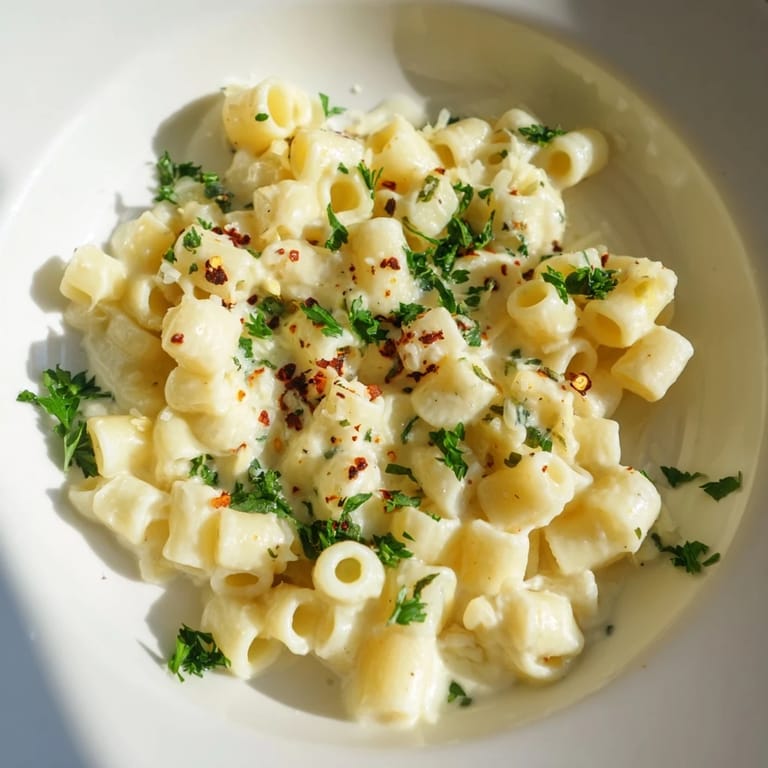
- Add your drained ditalini to the sauce and toss gently until every piece of pasta gets coated in that creamy garlic goodness. If the sauce seems too thick, add your reserved pasta water a splash at a time, stirring and tasting until the consistency feels right—it should coat the back of a spoon but still flow slightly when you tip the pan.
- Finish and serve:
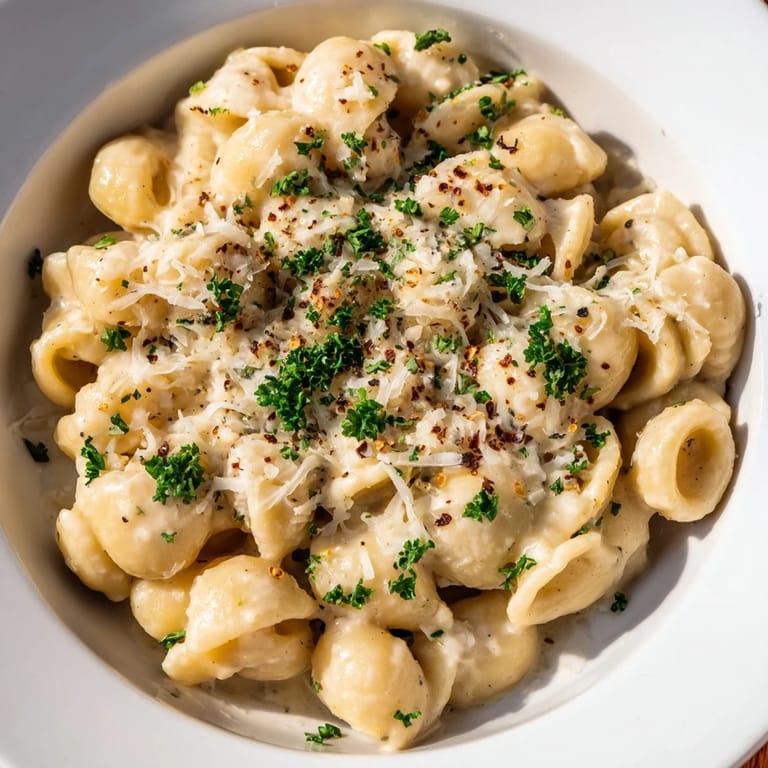
- Remove from heat and transfer to a serving bowl or plates, then scatter the fresh parsley on top like confetti and add extra Parmesan if you want that extra richness. Serve immediately while everything is still steaming and the flavors are at their brightest.
 Pin it
 I made this for my sister after she had her wisdom teeth removed and could only eat soft foods, and the look on her face when she realized she was eating something that felt like actual dinner instead of baby food was worth every minute. Food that nourishes when someone is struggling is its own kind of magic.
The Flexibility of This Dish
The beautiful thing about this recipe is that it welcomes additions without becoming confused about its identity. I've stirred in tender pieces of roasted chicken, sautéed mushrooms with their earthy undertones, or even fresh spinach wilted into the sauce at the last moment, and each time the garlic-cream base holds everything together like a kind friend who makes space for whoever shows up. The ditalini never feels overwhelmed—it just extends the warmth to include whoever you want to welcome to the table.
Timing and Temperature Matter
One thing I learned the hard way is that everything about this recipe depends on gentle heat and proper timing—you're never trying to rush or blast anything into submission. The garlic needs those few calm minutes to release its flavor without burning, the roux needs unhurried whisking to incorporate smoothly, and the final simmer is just long enough to let the Parmesan melt completely without the cream splitting or separating. It's the difference between a dish that tastes refined and one that tastes like something went slightly wrong, even though nobody can quite explain what.
What to Serve Alongside
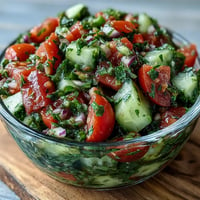
This pasta sings next to a sharp green salad dressed with lemon and olive oil, which cuts through the creaminess and leaves your palate feeling bright instead of coated. A crusty piece of bread is almost mandatory—not to eat alongside but to use for soaking up any remaining sauce when your bowl seems empty but you're not quite ready for the meal to end. If you're feeling something cold in your glass, a crisp white wine like Pinot Grigio or even a light Sauvignon Blanc complements the garlic without competing.
- A simple arugula salad with lemon vinaigrette is your best friend if you want something fresh and peppery.
- Day-old bread grilled in garlic butter becomes the perfect edible napkin for that last spoonful of sauce.
- Save some pasta water even after serving—people always ask for seconds and you can loosen leftovers with it to bring them back to life.
 Pin it
 This dish has become my answer to the question "what should we eat tonight?" on evenings when nothing else seems right. It's proof that comfort doesn't require complexity, just respect for what you're making.
Common Questions
- → What is ditalini pasta?
Ditalini is a small, tube-shaped pasta that holds sauce well, lending a pleasant texture to creamy dishes like this.
- → How can I lighten the creamy sauce?
Using half-and-half instead of heavy cream reduces fat content while maintaining a smooth, creamy texture.
- → Can I add protein to this dish?
Yes, cooked chicken or sautéed mushrooms can be added for extra protein and flavor depth.
- → How do I prevent garlic from burning?
Sauté minced garlic over medium heat for 1–2 minutes until fragrant but not browned to avoid bitterness.
- → What can I do if the sauce is too thick?
Add reserved pasta water gradually to reach the desired sauce consistency without diluting flavor.
- → Are there any allergen concerns?
This dish contains gluten and dairy; verify any store-bought ingredients like broth or cheese for additional allergens.