 Pin it
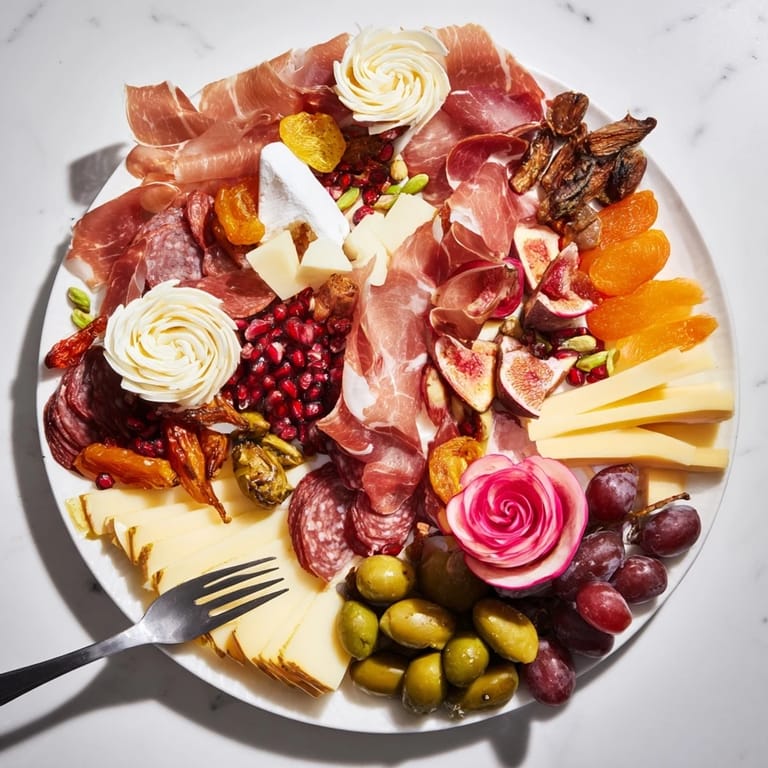
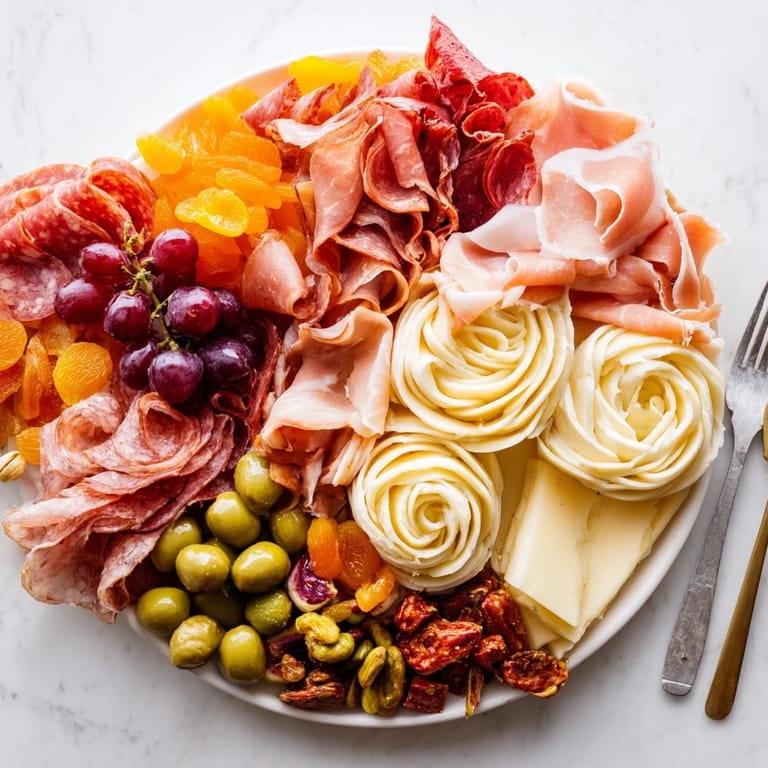
 I'll never forget the first time I attempted an elaborate charcuterie board at a dinner party. My hands trembled as I arranged thin slices of prosciutto, worried that my humble wooden board would somehow betray my ambitions. But as guests arrived and their eyes widened at the cascading meats, intricate cheese roses, and jewel-toned fruits scattered across the surface, I realized something magical had happened. This Advanced Artisan Array wasn't just food—it was edible architecture, a conversation starter, and proof that with patience and a little creativity, anyone can create restaurant-worthy elegance at home.
I remember my best friend Sarah's face when she saw this board for the first time at my holiday gathering. She circled it three times before touching anything, photographing it from every angle. By the end of the evening, it had become the centerpiece of our gathering—not just for eating, but for storytelling, laughter, and connection. That's when I understood that a beautiful board isn't about being perfect; it's about creating a moment worth remembering.
Ingredients
- Prosciutto, 100 g thinly sliced: The delicate saltiness is your board's foundation. Buy it from the deli counter and ask them to slice it paper-thin—it makes all the difference when you're folding those wispy ribbons.
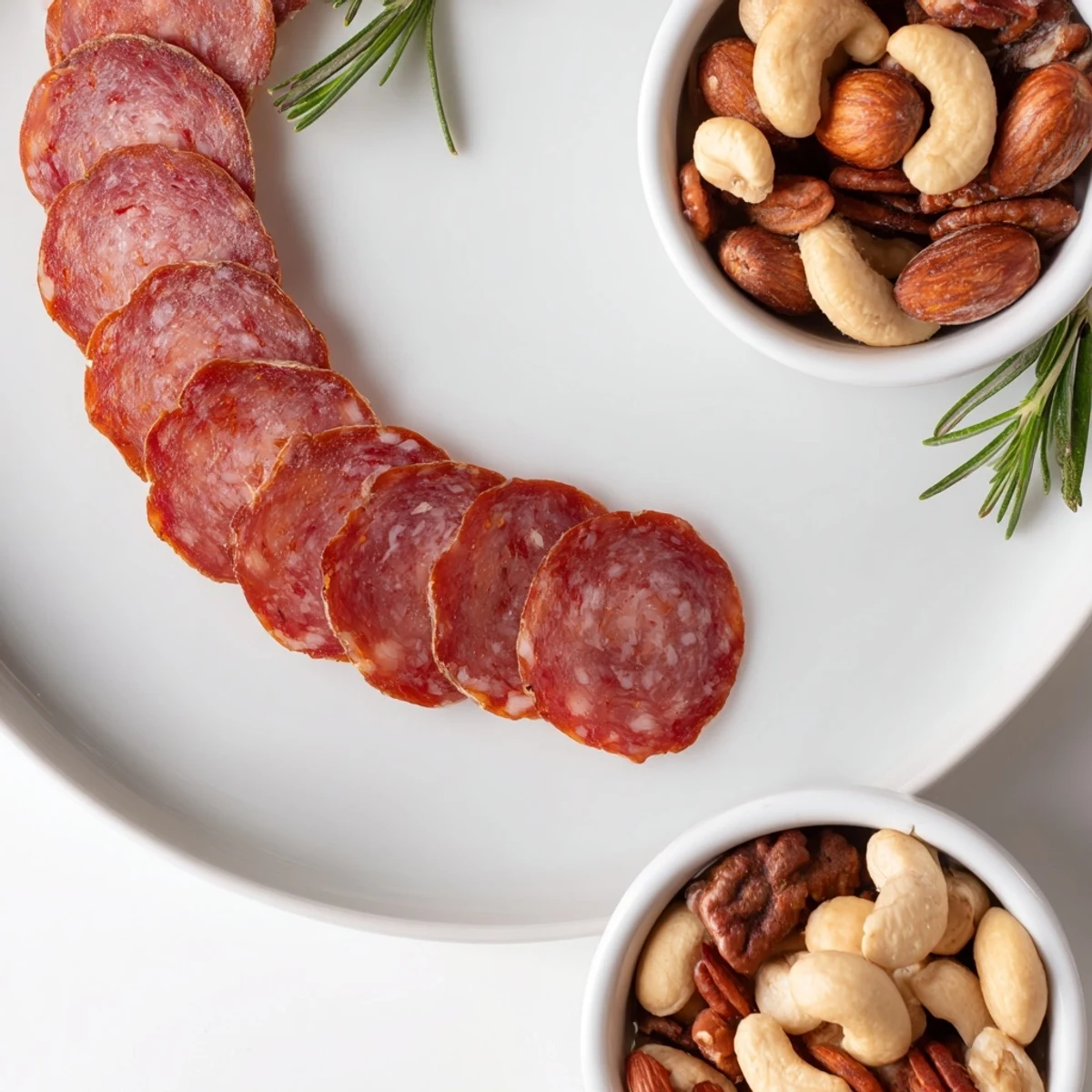
- Soppressata, 100 g thinly sliced: This Italian cured salami has a subtle spice that keeps guests coming back. Layer it loosely for visual drama.
- Capicola, 100 g thinly sliced: The sweet-spicy cousin that adds complexity. Its marbled texture is almost as beautiful as its flavor.
- Chorizo, 100 g sliced: The bold one that makes everything more interesting. Its deep red color creates natural visual focal points.
- Mortadella, 100 g sliced: Creamy and luxurious, with those little peppercorn surprises hidden throughout.
- Brie, 150 g chilled: Keep this in the coldest part of your fridge until the last moment. Its creamy softness is magic against crunchy crackers.
- Manchego, 150 g: Nutty and golden, this Spanish cheese has enough body to stand up to bold meats.
- Aged cheddar, 150 g: The nostalgic choice that reminds everyone why they love cheese in the first place.
- Goat cheese, 150 g: Tangy and bright, it's the flavor palate cleanser guests don't know they need.
- Gouda, 150 g: Slightly smoky and caramelly, it bridges sweet and savory beautifully.
- Provolone, 100 g for sculpting roses: This pliable cheese is your star. Its mild flavor doesn't compete while its texture makes those gorgeous roses possible.
- Red grapes, 1 bunch: Ruby jewels that catch the light and add natural sweetness.
- Green grapes, 1 bunch: The counterpart that creates color balance and visual rhythm.
- Figs, 2 quartered: Nature's candy, but also surprisingly sophisticated on a luxury board.
- Pomegranate, seeded: Those glossy arils are both flavor bombs and visual magic. Add them last so they don't dry out.
- Apple, 1 thinly sliced: Slice just before serving to prevent browning. The crisp texture contrasts beautifully with soft cheeses.
- Pear, 1 thinly sliced: More delicate than apples, these need tender handling but reward you with subtle sweetness.
- Dried apricots, 50 g: Chewy and concentrated in flavor, they're the bridge between fresh and preserved.
- Dried cherries, 50 g: Tart and elegant, scattered throughout like edible jewels.
- Dried figs, 50 g halved: Dense and honeyed, they're the sophisticated option.
- Marcona almonds, 75 g: Buttery and slightly sweet, these Spanish almonds are superior to regular varieties. Once you taste them, you'll never go back.
- Pistachios, 75 g: Their vibrant green and subtle earthiness add complexity to every bite.
- Cornichons, 75 g: Tiny, tangy, and absolutely essential for cutting through richness.
- Mixed olives, 75 g: Briny and bold, they're palate reset buttons.
- Roasted red peppers, 50 g sliced: Silky and sweet, they nestle beautifully in board gaps.
- Artichoke hearts, 50 g quartered: Their subtle earthiness is a sophisticated touch.
- Whole grain mustard, 100 g jar: Grainy texture and complex tang make this better than yellow alternatives.
- Fig jam, 100 g jar: The sweet companion that makes every bite more interesting.
- Honey, 100 g jar: Liquid gold that transforms when drizzled over cheese or paired with nuts.
- Baguette, 1 sliced: Toast lightly if desired, but fresh slices have their own charm.
- Assorted crackers, 150 g: Choose interesting varieties—seeded, herbed, whole grain—for textural contrast.
- Grissini, 100 g: Italian breadsticks add vertical interest and satisfy the crunch craving.
- Fresh rosemary sprigs: Their woody aroma adds an invisible layer of elegance.
- Fresh thyme: Delicate and fragrant, it's the finishing touch that whispers sophistication.
- Edible flowers, pansies and nasturtiums: These aren't just pretty—they're the unmistakable sign you've elevated this beyond ordinary.
- Microgreens: Tiny and vibrant, they add height and modern sensibility.
- Radish roses: These take five minutes to create but signal that you care about details.
Tired of Takeout? 🥡
Get 10 meals you can make faster than delivery arrives. Seriously.
One email. No spam. Unsubscribe anytime.
Instructions
- Prepare Your Stage:
- Find your largest, most beautiful board—at least 18 by 24 inches. Wipe it clean and let it dry completely. Arrange three small bowls strategically across the surface for your mustard, jam, and honey. This isn't just functional; it's about creating visual anchors that break up the space and give guests natural gathering points.
- Sculpt Cheese Roses with Intention:
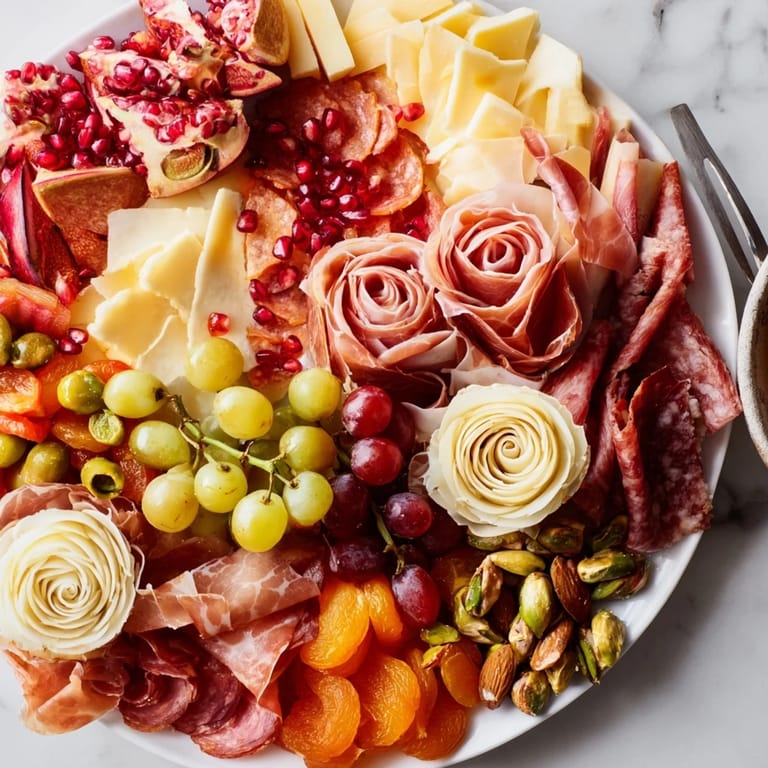
- This is where the magic happens and where patience pays off. Take thin slices of provolone and, working on a cool surface, roll one slice tightly into a spiral, like you're rolling the world's tiniest sleeping bag. Once it's secure, gently peel back the outer layers to create petal-like edges. The first ones will feel awkward; by the third rose, your hands will remember the rhythm. Set them on the board with care—they're delicate sculptures. Repeat with salami for meat roses, which are slightly less forgiving but equally stunning.
- Layer Cured Meats Like You're Painting:
- Think of your prosciutto, soppressata, and capicola as brushstrokes. Fold each slice loosely—don't lay them flat like napkins. Create peaks and valleys. Let some pieces overlap dramatically while others stand alone. The goal is a landscape of texture and depth, not a uniform carpet. This is where the board becomes art. Fill visible gaps with carefully placed folds, building up layers so the board looks abundant and luxurious, like you've raided an Italian delicatessen.
- Compose Your Cheese Selection:
- Cut each cheese differently. Brie and goat cheese might be cut into wedges. Manchego and aged cheddar into cubes and shards. Gouda into various shapes. Place your cheese roses proudly, as focal points. Then tuck pieces throughout, letting different cheeses create natural color zones. The board should feel like a cheese lover's treasure map, where each corner offers a different experience.
- Nestle Fruits in Thoughtful Clusters:
- Group grapes together in small bunches rather than scattering them individually. Place quartered figs where they can rest against cheese or meat. Pomegranate seeds should be added last and loosely—they're too precious to bury. Fresh apple and pear slices go in just before serving to prevent browning. Dried fruits fill in gaps and add jewel-tone richness, creating visual interest without competing for space.
- Scatter Nuts and Pickles with Purpose:
- Rather than spreading them evenly, create small piles and bowls. Marcona almonds in one spot, pistachios in another. This creates visual boundaries and makes it easier for guests to navigate. Olives, cornichons, artichokes, and roasted peppers go in decorative clusters, treating the board like a still life where every placement matters.
- Arrange Breads to Frame the Composition:
- Fan out baguette slices in one section, creating a wave-like pattern. Arrange crackers and grissini in gaps, using them as visual connectors that lead the eye around the board. Don't just place them; arrange them so they're easy to grab and naturally guide guests through your creation.
- Crown It with Garnish:
- Fresh rosemary sprigs, thyme, edible flowers, microgreens, and radish roses are the finishing touches. Tuck them into gaps, place them atop cheese roses, let them spill across the surface. This is where the board transforms from impressive to unforgettable. These garnishes whisper that you've thought about every detail.
- Present and Serve:
- Step back and admire your work. If serving immediately, you're ready. If refrigerating, cover loosely with plastic wrap so condensation doesn't ruin your handiwork. When guests arrive, give yourself a moment to feel proud. You've created something beautiful and delicious.
 Pin it
 I think about the evening my parents finally understood why I'd spent years collecting beautiful board ideas and learning to fold prosciutto into delicate ribbons. My father, who always preferred simple comfort food, stood over this board for minutes before filling his plate. Later, he told my mother that it had taught him something about care—that taking time to make something beautiful for people is its own kind of love. That moment changed how I thought about cooking.
The Art of Strategic Placement
Creating a charcuterie board isn't really about having all the right ingredients—it's about understanding how colors, textures, and heights work together. I learned this the hard way, after my first board looked like a confused grocery store shelf. Now I think in terms of color zones. Keep reds away from reds when possible. Let the golden manchego glow next to the deep burgundy of the cured meats. Position white goat cheese near dark olives. This isn't about rules; it's about making each ingredient's beauty visible by giving it breathing room and contrast. When you stand back and see how the colors create natural flow across the board, you'll understand why some boards feel chaotic and others feel like they belong in a magazine.
The Secret Language of Texture
Every element on this board communicates through touch as much as through taste. The creamy softness of brie against crispy crackers. The meaty density of mortadella next to the delicate transparency of prosciutto. The crunch of Marcona almonds contrasting with chewy dried apricots. Smooth gouda beside crumbly aged cheddar. When you build your board, you're composing a tactile experience. I realized this while watching guests navigate boards—the ones that people lingered over longest weren't necessarily the ones with the most expensive ingredients, but the ones where every bite offered a different textural surprise. It's like the difference between hearing a single note and hearing a chord.
Timing, Temperature, and That Perfect Moment
The board is a living thing, at least for the hour or so it exists before being devoured. Hard cheeses get better as they warm slightly and soften. Soft cheeses begin to collapse if left too long at room temperature. Fresh fruits start oxidizing the moment they're cut. The jams and honey develop flavor as they warm. I learned to time my board creation so that everything hits its peak flavor and visual beauty exactly when guests arrive. Build the board 45 minutes before serving: arrange the cold components, make your roses, lay out the meats and cheeses. Then 15 minutes before guests arrive, add your fresh fruits, garnishes, and edible flowers. It's the difference between good and transcendent.
- Always prep your mise en place—everything cut and ready—before you start assembling. This makes the actual board building flow smoothly.
- Keep your hands cool by rinsing them in cold water before working with soft cheeses. It makes sculpting easier and your roses more refined.
- If something breaks—and it will—there's no shame in crumbling it up and creating something new. Some of my favorite board compositions came from happy accidents.
 Pin it
 A beautiful board is the ultimate love letter to the people sitting around your table. It says, without words, that they're worth your time and care. That's what I hope you remember when you create this.
Common Questions
- → How can I sculpt the cheese roses effectively?
Use pliable cheeses like provolone, slicing them thinly and rolling tightly before gently fanning out edges to mimic petals.
- → What cured meats work best for intricate folding?
Thinly sliced prosciutto, soppressata, capicola, chorizo, and mortadella fold well and create elegant layered ribbons.
- → How should fresh and dried fruits be arranged?
Cluster fruits in groups by color and shape to add visual interest and balance sweetness with savory elements.
- → What garnishes enhance the presentation?
Fresh rosemary, thyme, edible flowers, microgreens, and radish roses provide vibrant colors and fresh aromas that complement the board.
- → Can I prepare this board in advance?
Assemble close to serving time for freshness, but cheeses and cured meats can be prepped earlier. Store covered in the refrigerator if needed.
- → What tools help with intricate assembly?
Use cheese knives, spreaders, small bowls for jams and nuts, and paring knives for sculpting garnishes to create detailed elements.