 Pin it
 My grandmother pulled a steaming cepelinai from the pot one winter afternoon, and I watched the potato dumpling float to the surface like a small, precious boat. The kitchen filled with steam that smelled of earth and meat, and I understood then why she made these only on special occasions, saving them for moments when family gathered around the table with nowhere else to be. There's something about the weight of a cepelinai in your palm, still warm, that makes you slow down. These aren't quick weeknight dumplings, they're an investment of time and attention that somehow tastes like devotion.
I made cepelinai for my partner's coworkers once, nervous because I'd only made them twice before, and watched everyone go quiet when they tasted that sauce. Someone asked for the recipe, another reached for seconds without asking, and suddenly this dish I thought was just comfort food became the thing people remembered about the evening. That's when I realized these dumplings carry more than flavor, they carry the story of patience rewarded.
Ingredients
- Starchy potatoes (1.5 kg): The foundation of everything, and you want the waxy ones that hold together when grated; russet or similar work beautifully.
- Boiled and mashed potatoes (2 medium): These add binding power and a subtle sweetness that balances the savory filling.
- Salt (1 tsp for dough): Go easy here since the filling and sauce add their own seasoning.
- Potato starch (1 tbsp): The secret to dough that doesn't fall apart; if you can't find it, squeeze those raw potatoes until your hands ache.
- Ground pork (250 g) and ground beef (150 g): The combination gives you richness without being heavy; you can adjust the ratio based on what you prefer.
- Onion and garlic for the filling: These wake up the meat and keep it from tasting one-note.
- Bacon or smoked pork belly (150 g): This is non-negotiable for the sauce; it's where the magic happens.
- Sour cream (300 ml): Choose full-fat if you can; it makes the sauce taste luxurious without any shame.
- Fresh dill (1 tbsp): Optional but honestly necessary, the herb that makes cepelinai taste like home.
Tired of Takeout? 🥡
Get 10 meals you can make faster than delivery arrives. Seriously.
One email. No spam. Unsubscribe anytime.
Instructions
- Start with the potatoes:
- Grate those raw potatoes on the fine side of your grater, watching the pile grow into something that looks like wet snow. Wrap everything tightly in cheesecloth or a kitchen towel, then squeeze with both hands until your forearms burn and the towel stops releasing liquid.
- Collect the starch:
- Let the liquid you just squeezed out sit in a bowl for a few minutes. You'll see the potato starch settle to the bottom like fine sediment, which is exactly what you want to pour back into your dough.
- Build the dough:
- Combine the squeezed potatoes with your mashed boiled ones, salt, and that reserved starch. Mix until you have something cohesive but still slightly damp. If it feels too wet, add a bit more starch, a teaspoon at a time.
- Season the meat:
- Mix your pork and beef with the finely chopped onion, minced garlic, salt, and pepper. Don't overthink this; just make sure everything is evenly distributed.
- Shape the dumplings:
- Wet your hands so the potato dough doesn't stick, take a portion about the size of a large egg, and flatten it into a thin patty. Place a heaping tablespoon of filling in the center, then carefully draw the edges of the dough up and around it, sealing completely into an oval shape.
- Cook gently:
- Bring a large pot of salted water to a gentle simmer, not a rolling boil, and carefully slide in the dumplings in batches so they don't crowd or stick together. They're done when they float and feel firm to the touch, usually 25 to 30 minutes.
- Make the sauce:
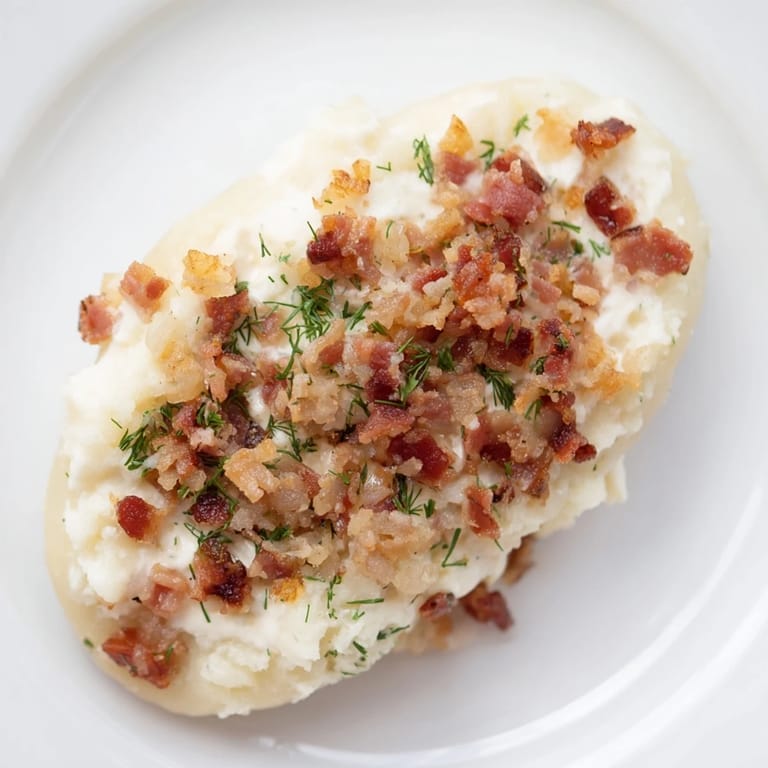
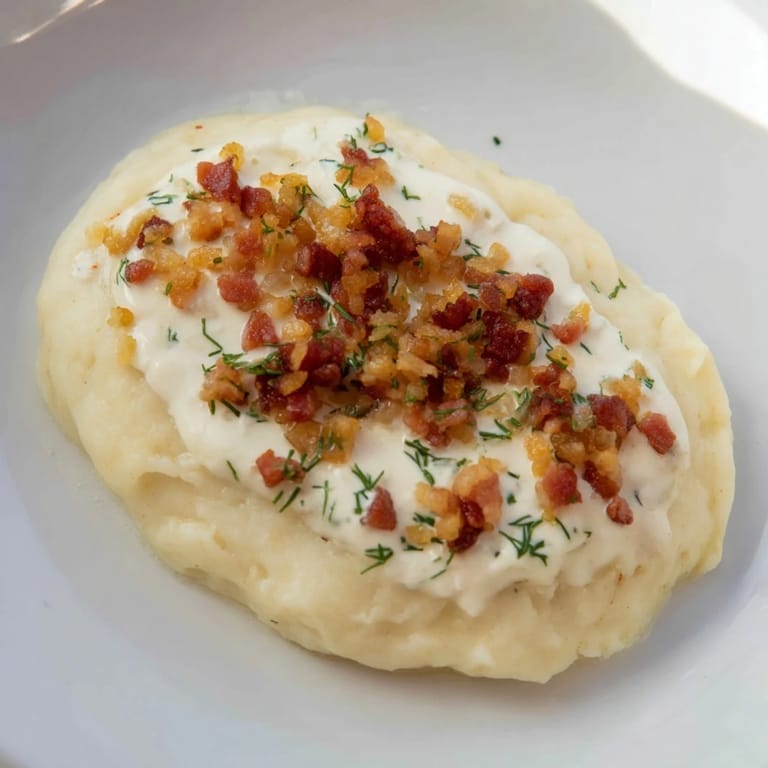
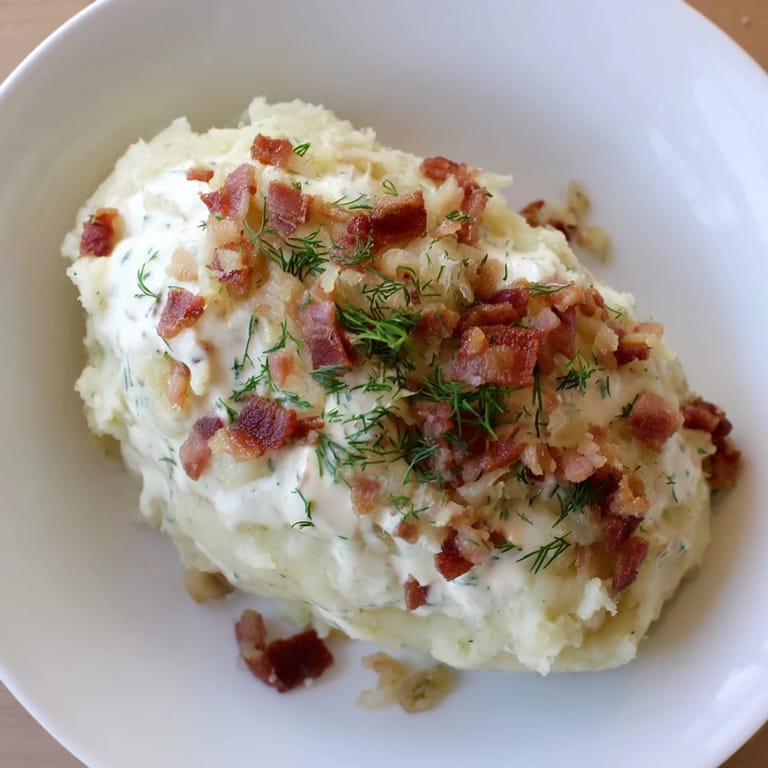
- While dumplings cook, fry your diced bacon until crisp, add the chopped onion and let it turn golden, then stir in the sour cream and dill very gently so it stays creamy and doesn't break. Keep the heat low; this is sauce, not soup.
- Finish and serve:
- Drain the dumplings carefully with a slotted spoon, arrange them on a plate, and pour that warm, bacon-studded sauce over the top.
 Pin it
 The first time I served these to my Lithuanian neighbor, she closed her eyes after the first bite and said nothing for a long moment. Then she asked if I could make them for her granddaughter's birthday, and suddenly I was making cepelinai for sixteen people, my kitchen wrapped in potato starch dust, and it was the most satisfied I'd felt in months. These dumplings become the reason people come together.
The Art of Shaping
The shape of a cepelinai matters more than you'd think; it's not just an oval, it's a seal. I learned this the hard way when I rushed through shaping and had meat leaking into the water while cooking. Now I pay attention to the way my hands curve around the filling, making sure every edge presses tightly against itself. It becomes almost meditative once you understand what you're doing, your hands remembering the motion even when your mind wanders.
Choosing Your Potatoes
Not all potatoes work equally well for cepelinai. I used waxy new potatoes once thinking freshness was the answer, and the dumplings fell apart in the water. Starchy potatoes with lower moisture content hold together better and create that silky texture you want. My grocer now knows to set aside the russets for me in winter.
Variations and Additions
Once you understand the base, this dish opens up to experimentation. I've made them with all pork for richness, tested a mushroom and onion filling for vegetarian friends, and even added a pinch of caraway to the dough one autumn because I was thinking about rye bread. The bones stay the same, but you can make it your own.
- Try stirring finely chopped fresh parsley into the dough for subtle herbal notes.
- A small pinch of caraway or marjoram in the meat filling connects it to other Eastern European traditions.
- If you can find fresh dill to mix into the sour cream sauce instead of just sprinkling it on top, the flavor deepens beautifully.
 Pin it
 There's something deeply satisfying about making food that requires patience and intention, especially when it comes from a place you admire. These cepelinai are worth the effort.
Common Questions
- → What type of potatoes are best for Cepelinai?
Starchy potatoes work best to provide the right texture for the dough, as they help bind the dumplings and maintain firmness during cooking.
- → How do I prevent the dumplings from falling apart?
Thoroughly squeeze excess liquid from grated potatoes and use potato starch for binding. Handle gently when shaping and simmer in water without boiling vigorously.
- → Can I make Cepelinai without pork?
Yes, you can substitute all pork with beef, or opt for a vegetarian filling using sautéed mushrooms and onions for a different flavor profile.
- → What is the best way to cook Cepelinai?
Simmer dumplings gently in salted water, avoiding a rolling boil, until they float and feel firm to ensure even cooking without breaking.
- → How is the sauce prepared for Cepelinai?
Crisp diced bacon and sauté onions before mixing in sour cream and chopped fresh dill, then heat gently without boiling to preserve flavors.