 Pin it
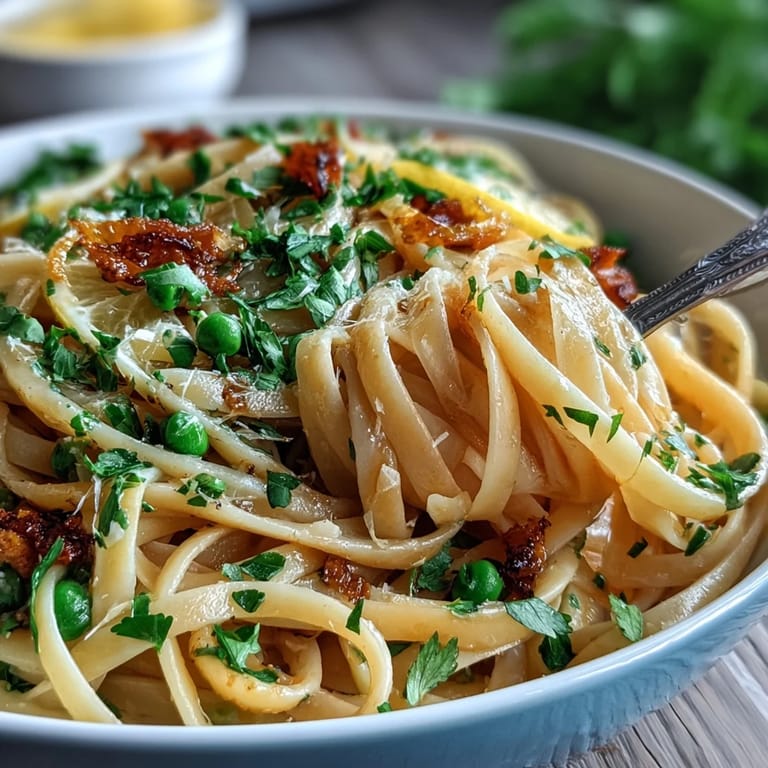
 My kitchen smelled like spring the afternoon I first made this lemon butter pasta, though it was actually November and raining outside. A friend had dropped off a bag of fresh peas from her garden, still in their pods, and I found myself shelling them at the counter while listening to music, feeling oddly peaceful about a weeknight dinner. When I finally tossed it all together—the buttery sauce clinging to each strand, the brightness of lemon cutting through the richness—I understood why this dish has become my go-to when I want something that tastes both comforting and alive.
I made this for my partner when he came home exhausted after a long project at work, and watching his face change the first bite was everything. He hadn't eaten much all day, and suddenly there was this bright, uncomplicated bowl of pasta that somehow felt like care in food form. He finished it quickly and asked if I could make it again next week, which, in his language, meant it was exactly what he needed.
Ingredients
- Linguine or spaghetti (12 oz): The thin shape lets the delicate sauce cling properly, but honestly, whatever pasta you have on hand works fine—I've made this with fettuccine and penne when that's what was in the cupboard.
- Fresh or frozen green peas (1 cup): If you find fresh peas still in the pod, buy them—there's something about the flavor that frozen just can't match, though frozen works beautifully and honestly might be fresher than the fresh ones at your store.
- Garlic (2 cloves, minced): This is where you learn to listen to the sizzle; the moment it becomes fragrant is also the moment it starts to brown, so keep your timing sharp.
- Lemon zest and juice (1 whole lemon): Use a microplane if you have one, because box graters make your knuckles hurt and you'll have less lemon zest to show for the effort.
- Fresh parsley (2 tbsp, chopped): This isn't decorative; it's the final brightness that keeps the dish from becoming one-note buttery.
- Unsalted butter (4 tbsp): Don't skimp here or use margarine—this sauce lives or dies by butter quality, and you taste the difference immediately.
- Grated Parmesan (1/2 cup, plus more for serving): Grate it fresh if you can; the pre-grated stuff has anti-caking agents that make the sauce grainy instead of silky.
- Salt and black pepper: Taste as you go because the pasta water carries its own saltiness, and you need to balance it, not double it.
Tired of Takeout? 🥡
Get 10 meals you can make faster than delivery arrives. Seriously.
One email. No spam. Unsubscribe anytime.
Instructions
- Get your water boiling and pasta going:
- Fill a large pot with water, salt it generously so it tastes like the sea, and let it come to a rolling boil while you prep everything else. Add the pasta and cook until just shy of done—you want it with a slight firmness to the bite because it will continue cooking in the sauce.
- Build the sauce base:
- Melt the butter in a large skillet over medium heat, add the minced garlic, and listen for that gentle sizzle that smells absolutely incredible. Cook for about one minute until fragrant but not brown, because burned garlic tastes bitter and will ruin everything you've worked for.
- Cook the peas through:
- Add the peas to the butter and garlic, stirring to coat them. Fresh peas need about 2-3 minutes to become tender; frozen peas just need to warm through, which is faster.
- Brighten everything with lemon:
- Stir in the lemon zest and juice, which will make your kitchen smell like summer and immediately lift the whole sauce. The juice will sizzle slightly, which means it's working.
- Bring pasta and sauce together:
- Add your drained pasta to the skillet along with about 1/2 cup of the reserved pasta water, and toss everything together so the pasta gets coated evenly. The water is crucial here because it helps create that silky texture instead of a clumpy one.
- Add cheese and seasons:
- Sprinkle in the Parmesan, salt, and black pepper while tossing constantly so the cheese melts into the sauce instead of clumping. If it feels too thick, add a splash more pasta water until you get that glossy, coating consistency.
- Finish and taste:
- Remove from heat and stir in the chopped parsley, then taste a small bite and adjust salt or pepper if needed. Everyone's stove is different, so this is your moment to make it exactly right for your palate.
- Serve right away:
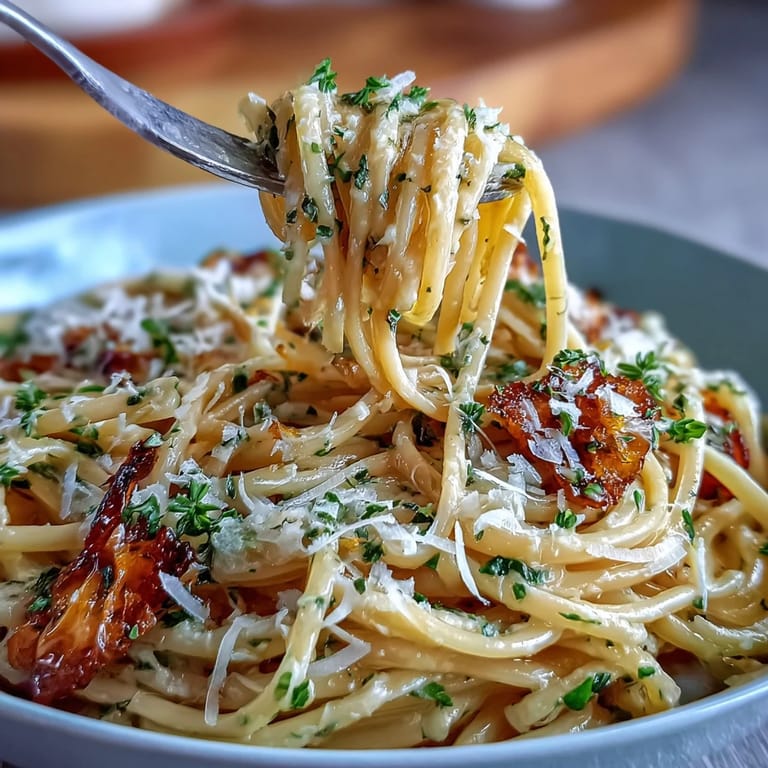
- Get it into bowls immediately while it's hot and the sauce is silky, topping each with more Parmesan and a crack of black pepper. This dish doesn't reheat well, so this is really a fresh-right-now meal.
 Pin it
 There was an evening when I made this for friends who were going through a rough patch, and I watched them relax into conversation as they ate, the tension in their shoulders easing with each bite. Sometimes the best thing food can do is just get out of the way and let people be together, and this dish does exactly that.
Why This Works as Weeknight Dinner
The beauty of this pasta is that it respects your time but doesn't taste rushed. Most of the ingredients are probably already in your kitchen, and the ones that aren't are simple to find. There's no complicated technique, no waiting for things to cool or set, and no stack of dirty pans at the end—just one skillet and one pot, which matters more than you'd think when you're tired.
Making It Your Own
I've added things to this pasta based on whatever was in my vegetable drawer or whatever protein I had time to cook. Some nights it's shrimp that I've seared quickly in a separate pan; other nights it's spinach stirred in at the very end so it wilts from the heat. The lemon-butter base is strong enough to carry add-ins without losing itself, which is the mark of a recipe that actually works.
The Small Moments That Make a Difference
Cooking this teaches you to pay attention to your senses—the smell of garlic hitting butter, the sound of pasta water boiling, the way the sauce should move in the pan like silk. These small observations are what separate cooking from just following instructions, and they make you better in the kitchen even if you're not trying to be. Once you've made this a few times, you'll know it by feel instead of by measurements, and that's when cooking stops being a task and becomes something you actually enjoy.
- Zest your lemon before you cut it in half, because once it's halved you'll squeeze the juice everywhere and regret it.
- If you're using frozen peas, don't thaw them first—let the butter and heat do the work so they stay intact instead of turning mushy.
- This dish is best served immediately, so time your pasta water to boil right when you sit down to eat, not ten minutes before.
 Pin it
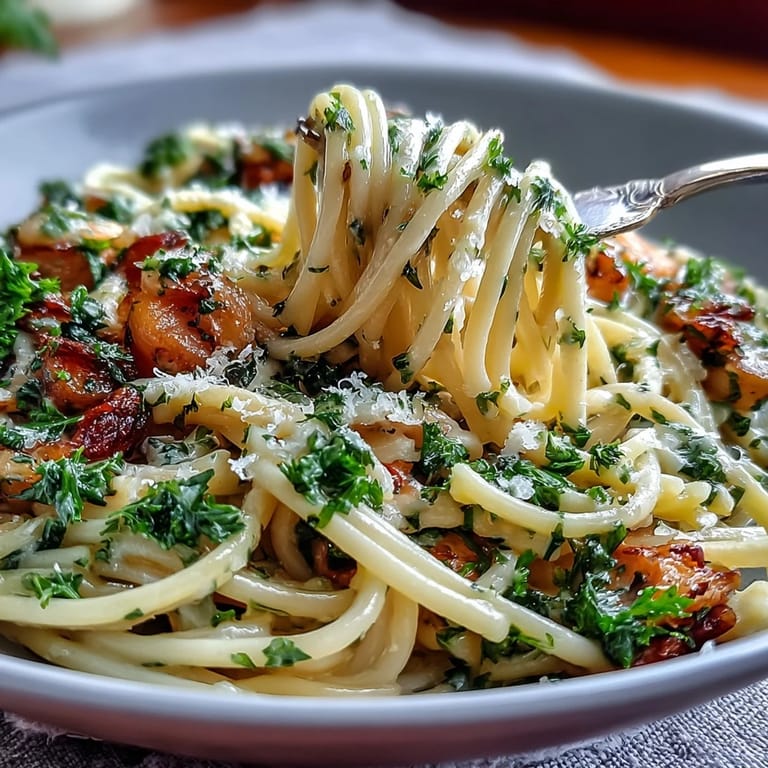
 This is the kind of recipe that gets better the more you make it, not because you're learning a complex technique but because you're getting comfortable with the rhythm of it. Eventually you'll make it without thinking, and those are the meals that taste the best.
Common Questions
- → What pasta types work best?
Linguine or spaghetti work well for this dish, holding the sauce nicely without overpowering the flavors.
- → Can I use frozen peas?
Yes, frozen peas can be used; just cook them a bit longer until heated through for the best texture.
- → How do I achieve a creamy sauce?
Reserve some pasta cooking water and add it gradually to the skillet while tossing the pasta to create a smooth, silky sauce.
- → What can I add for extra protein?
Sautéed shrimp or grilled chicken are excellent additions to boost protein and complement the lemon butter flavors.
- → Are there suggested wine pairings?
A crisp Sauvignon Blanc pairs beautifully, enhancing the dish's bright and buttery notes.